
Table of Contents
- Strike King vs Rapala Lures: Core Differences
- Running Depth and Diving Performance
- Best Strike King Lures for Bass
- Best Rapala Lures for Bass
- Rapala DT Series vs Strike King Crankbaits
- Strike King Lure Durability and Longevity
- Cover Deflection and Action in Heavy Vegetation
- Choosing Between the Brands: A Practical Guide
- Frequently Asked Questions
Last Updated: October 14, 2026
Strike King vs Rapala Lures: Core Differences
When you're choosing in the strike king vs rapala lures comparison, you're comparing two of the most trusted names in bass fishing. Both brands have earned their reputation through decades of performance in challenging conditions, but they approach lure design and execution differently.
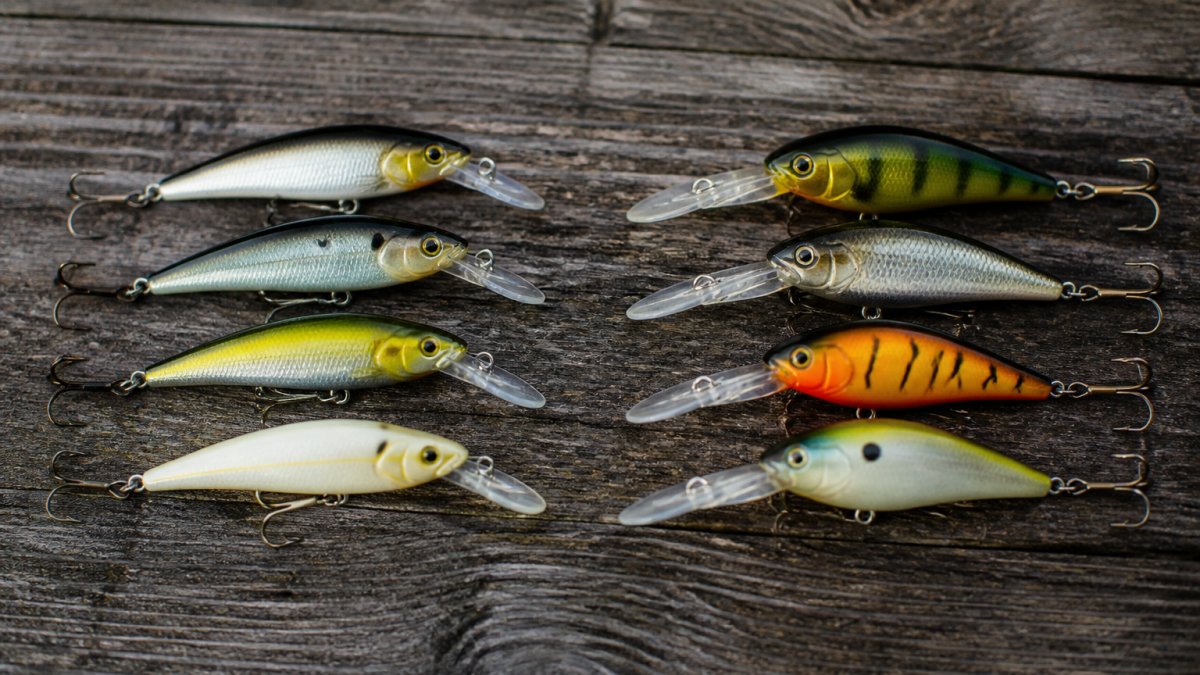
Strike King focuses on aggressive crankbait designs built to deflect off wood, rock, and dense cover without getting stuck. Their lures tend to have sharper bill angles and more pronounced diving characteristics. Rapala, meanwhile, emphasizes natural baitfish imitation and smooth, consistent action across a range of water conditions.
The real distinction comes down to philosophy. Strike King designs lures for anglers who want to power through heavy cover and trigger aggressive strikes. Rapala builds lures for anglers who prioritize realistic presentation and sustained action. Understanding this fundamental difference helps you decide which brand aligns with how you fish.
Running Depth and Diving Performance
Running depth is where these two brands show their clearest separation. Strike King crankbaits are engineered to reach their target depth quickly and maintain it throughout your retrieve. Rapala lures, particularly their DT (Diver) series, achieve depth through a combination of bill design and body weight, often reaching target depths more gradually but with exceptional tracking stability.
Shallow-Water Crankbaits
For shallow water between 2 and 6 feet, both brands excel but in different ways. Strike King's shallow-diving models cut through the water column aggressively, making them ideal when you need to cover water fast or when fish are actively feeding. Rapala's shallow-water options, like their Shad Rap series, deliver a tighter, more natural wobble that works well in clear water where finesse matters more than aggression.
The choice here depends on water clarity and fish mood. Murky water or aggressive conditions favor Strike King's faster action and quicker depth achievement. Clear water or neutral fish activity benefit from Rapala's refined presentation.
Deep-Diving Crankbaits
Deep-diving crankbaits separate serious cover fishermen from casual anglers. Strike King's deep-diving models, particularly those with aggressive bill angles, reach depths of 15 feet or more and maintain that depth with minimal effort. Rapala's DT series can achieve similar depths, but they do it with a more subtle approach, the bill design creates a gradual descent that some anglers find more enticing on pressured fish.
If you're targeting bass in deep structure or trolling along drop-offs, Strike King's direct approach often produces faster results. If you're fishing heavily pressured water where fish have seen dozens of crankbaits, Rapala's more refined diving action can make the difference.
Best Strike King Lures for Bass
Strike King's bass lineup is built around a handful of workhorse families, and the fastest way to choose among them is to match the model to the depth zone and cover you're fishing. Below is a model-by-model breakdown with the specifications that actually drive the decision.
KVD Series (1.0, 1.5, 2.5, 4.5, 6.5, 8.0)
The KVD squarebill family is the core of Strike King's shallow-cover program. The number in the name tracks body size and running depth:
- KVD 1.0, roughly 2 inches, about 1/4 oz, dives to about 3 feet. Best for shallow grass edges and smallmouth in rivers.
- KVD 1.5, roughly 2.5 inches, about 3/8 oz, dives to about 5 feet. The all-around squarebill for wood and rock in 3-6 feet.
- KVD 2.5, roughly 3 inches, about 5/8 oz, dives to about 8 feet. Use it when fish are holding on the first drop off a flat.
- KVD 4.5, 6.5, 8.0, progressively larger deep divers that reach roughly 10, 14, and 18-20 feet respectively on 10-12 lb fluorocarbon.
All KVD squarebills share a wide, flat-sided body and a square bill that makes them deflect hard off wood and rock. The hunting action, the side-to-side kick when the bait contacts cover, is the trait most anglers associate with this line.
Red Eye Shad
The Red Eye Shad is a lipless crankbait, roughly 2.5 to 3 inches and 1/2 to 3/4 oz, that sinks and can be fished at any depth on a countdown. It's the model to reach for when bass are suspended over grass or roaming flats in pre-spawn and fall. Rip it through grass, let it flutter, and repeat.
Bitsy Minnow and Bitsy Bug
The Bitsy Minnow is a small-profile shallow crankbait, roughly 2 inches, that shines when bass are keyed on small baitfish or when you need a finesse presentation in pressured shallow water. The Bitsy Bug is a compact jig, not a crankbait, but it belongs in the same conversation because it's the Strike King answer to flipping tules and dock pilings where a crankbait can't go.
How to Pick Within the Line
- Fishing 2-6 feet of wood or rock: KVD 1.5.
- Fishing the first break in 6-10 feet: KVD 2.5.
- Fishing ledges or deep points 12-20 feet: KVD 6.5 or 8.0.
- Fishing grass or suspended fish: Red Eye Shad.
- Fishing pressured shallow fish or small bait: Bitsy Minnow.
Hardware and Durability Notes
Strike King ships most of these baits with 2x or 3x strong treble hooks and split rings that hold up to repeated contact with cover. The paint finish on the KVD line is a matte, chip-resistant coating that holds color longer than many glossy finishes when you're bouncing off rock. A common pattern among anglers who fish these hard is to swap the stock hooks for a slightly larger premium treble on the 1.5 and 2.5 to improve hookup ratios on short-striking bass.
Equivalent Rapala Matchups
If you're building a box around depth zones rather than brands, the direct counterparts are:
- KVD 1.5 ↔ Rapala DT-4 or Shad Rap SR-5
- KVD 2.5 ↔ Rapala DT-6
- KVD 6.5 ↔ Rapala DT-10
- KVD 8.0 ↔ Rapala DT-14 or DT-16
- Red Eye Shad ↔ Rapala Rippin' Rap
That mapping is the fastest way to avoid buying two baits that fish the same depth and cover the same way.
Best Rapala Lures for Bass
Rapala's strength lies in their ability to deliver natural action across varying conditions. The Shad Rap series has been a workhorse for decades, and for good reason, the tight wobble and consistent diving angle work in almost every scenario.
For anglers who want to match the hatch precisely, Rapala's detailed paint schemes and body profiles create a presentation that mimics real baitfish. The Rapala DT series represents their deep-diving expertise, offering controlled descent and excellent tracking through structure.
Rapala lures tend to have slightly better hook quality and sharper points out of the box compared to some competitors. This matters when you're fishing in cold water where fish mouth baits more cautiously, or when you're targeting walleye and other species that require precise hook penetration.
Rapala DT Series vs Strike King Crankbaits
The Rapala DT (Diver) series versus Strike King's crankbait lineup is where the philosophical differences become most apparent. The DT series uses a unique bill design that creates a gradual, controlled dive.
Strike King crankbaits, by contrast, dive aggressively and maintain depth with minimal input from the angler.
The DT series shines in finesse situations: clear water, suspended fish, and conditions where a natural presentation outperforms aggression. Strike King crankbaits dominate in power-fishing scenarios: muddy water, active fish, and heavy cover where you need to provoke strikes through aggressive action and positioning.
For most anglers, the answer isn't choosing one brand entirely, it's understanding when each excels and building a tackle box that includes both approaches.
Strike King Lure Durability and Longevity
Strike King lures are built to take punishment. The paint finish is thicker and more resistant to chipping than many competitors, which matters when you're casting into wood, rocks, and other hard cover repeatedly. The hardware, eyes, split rings, and hooks, uses quality materials that resist corrosion and bending.
Most Strike King lures will survive hundreds of casts and multiple seasons of use if you maintain them properly. Rinse them with fresh water after saltwater use, store them in a dry location, and replace hooks if they become dull or bent.
Rapala lures also offer excellent durability, though their slightly more delicate construction means they're better suited for anglers who prioritize presentation over aggressive cover contact.
Cover Deflection and Action in Heavy Vegetation
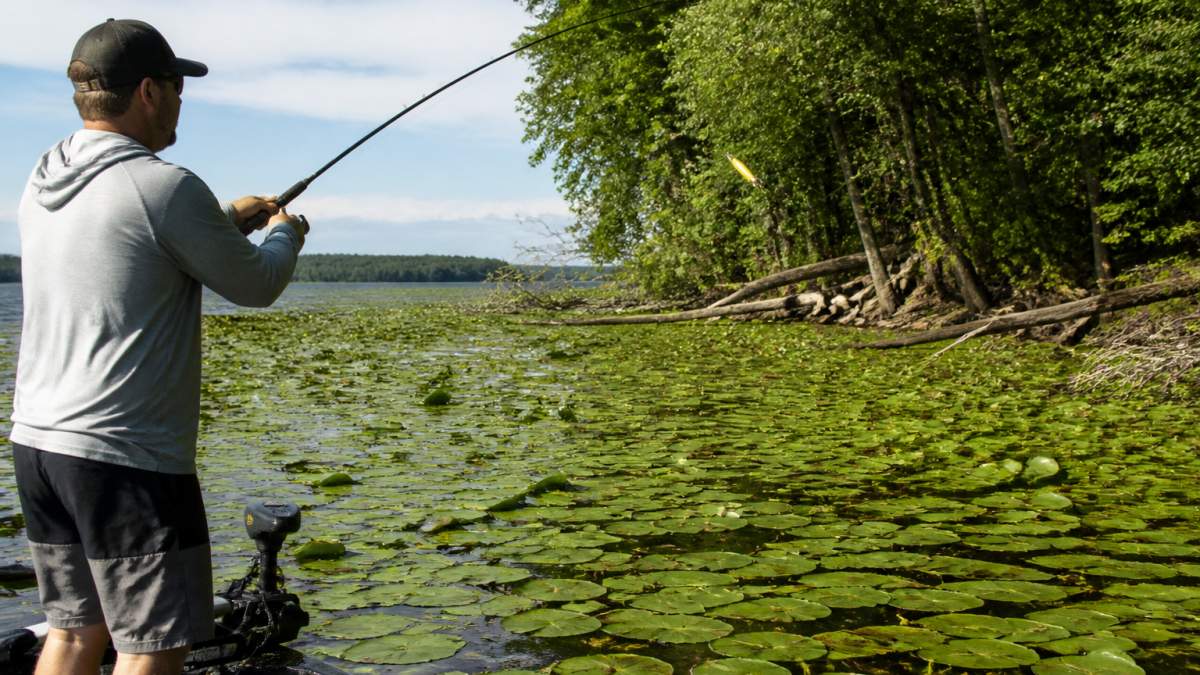
This is where Strike King truly separates from Rapala. Strike King's bill design and body shape are engineered specifically to deflect off cover and keep moving forward. When your lure hits a submerged branch or rock, it bounces off rather than hanging up.
Rapala lures can navigate cover, but they're designed with a different priority, maintaining action and tracking rather than aggressive deflection.
The deflection difference becomes critical when you're fishing lily pads, fallen trees, or rocky points where constant contact with cover is inevitable. Strike King lures keep hunting through that cover, triggering strikes as they bounce and deflect.
Choosing Between the Brands: A Practical Guide
Your choice between Strike King and Rapala ultimately depends on three factors: water clarity, cover density, and your preferred fishing approach.
Choose Strike King when you're fishing murky water, heavy cover, or when fish are actively feeding. The aggressive diving, deflection capability, and hunting action excel in these conditions.
Choose Rapala when you're fishing clear water, open structure, or pressured fish that have seen aggressive presentations. Rapala's refined action, natural profile, and controlled diving excel when subtlety matters. These lures reward precise casting and patience.
Many successful anglers carry both brands. A tackle box with Strike King's cover-crushing crankbaits and Rapala's finesse presentations gives you options for any condition. The investment in both brands pays off through improved versatility and catch rates across different water types and seasons.
| Factor | Strike King | Rapala |
|---|---|---|
| Heavy cover deflection | Excellent | Good |
| Clear water presentation | Good | Excellent |
| Aggressive strike triggering | Excellent | Moderate |
| Natural baitfish imitation | Good | Excellent |
| Durability in hard cover | Excellent | Very Good |
| Shallow-water performance | Excellent | Excellent |
| Deep-diving capability | Excellent | Very Good |
At UntamedSportsman, we understand that choosing the right lure means matching your tackle to your fishing conditions and style. The best lure is the one that matches your conditions and confidence, and having both options ensures you're prepared for whatever the water throws at you. Check the latest fishing lure innovations and reviews to stay current with new releases from both brands.
Frequently Asked Questions
Which is better for bass fishing, Strike King or Rapala?
Both brands excel in different scenarios. Strike King crankbaits often perform better in heavy cover and dense vegetation due to their bill design and durability, while Rapala lures, especially the DT series, excel in open water and precise depth control. Your choice depends on the water clarity, cover density, and target depth where you fish most often. Test both in your conditions to see which matches your fishing style.
What's the difference between a Strike King squarebill and a Rapala DT crankbait?
Strike King squarebills feature a wider, flatter bill designed to deflect off wood, rocks, and structure while maintaining action. Rapala DT crankbaits use a thin, angled bill for precise depth control and a tighter wobble. Squarebills are ideal for shallow, cover-heavy water; DT lures work better for open water and targeting specific depth zones. Both run true and trigger aggressive strikes, but their designs suit different fishing conditions.
How do Rapala and Strike King crankbaits compare in shallow water?
Both brands offer shallow-water options, but they approach it differently. Strike King's shallow-running crankbaits excel in heavy vegetation and wood cover because their bills deflect off obstacles without losing action. Rapala's shallow options prioritize consistent tracking and natural baitfish imitation in clearer water with less structure. For shallow water with dense cover, Strike King typically outperforms; for open, shallow flats, Rapala delivers better precision and presentation.
Are Strike King lures more durable than Rapala?
Strike King lures are engineered for heavy cover fishing and generally feature reinforced bills and stronger hook quality to withstand repeated deflections and aggressive strikes. Rapala lures are highly durable but designed with different priorities: smooth action and consistent running depth. In extreme cover conditions with frequent snags and impacts, Strike King's construction typically holds up longer. Both brands offer good value and longevity when matched to appropriate fishing conditions.

Leave a comment
All comments are moderated before being published.
This site is protected by hCaptcha and the hCaptcha Privacy Policy and Terms of Service apply.