Table of Contents
- Why Walleye and Crappie Need Different Lures
- Quick Comparison: Top Fishing Lures for Walleye and Crappie
- Best Walleye Lures: Crankbaits, Jigs, and Blade Baits
- Best Crappie Lures: Small Profiles and Finesse Presentations
- Walleye Jig Size: Matching Weight to Depth and Current
- Crappie Jig Size: Small Hooks, Big Results
- Lure Selection by Season and Water Condition
- Beginner Setup and Rigging Tips for Walleye and Crappie
- Frequently Asked Questions
Last Updated: October 18, 2026
Why Walleye and Crappie Need Different Lures
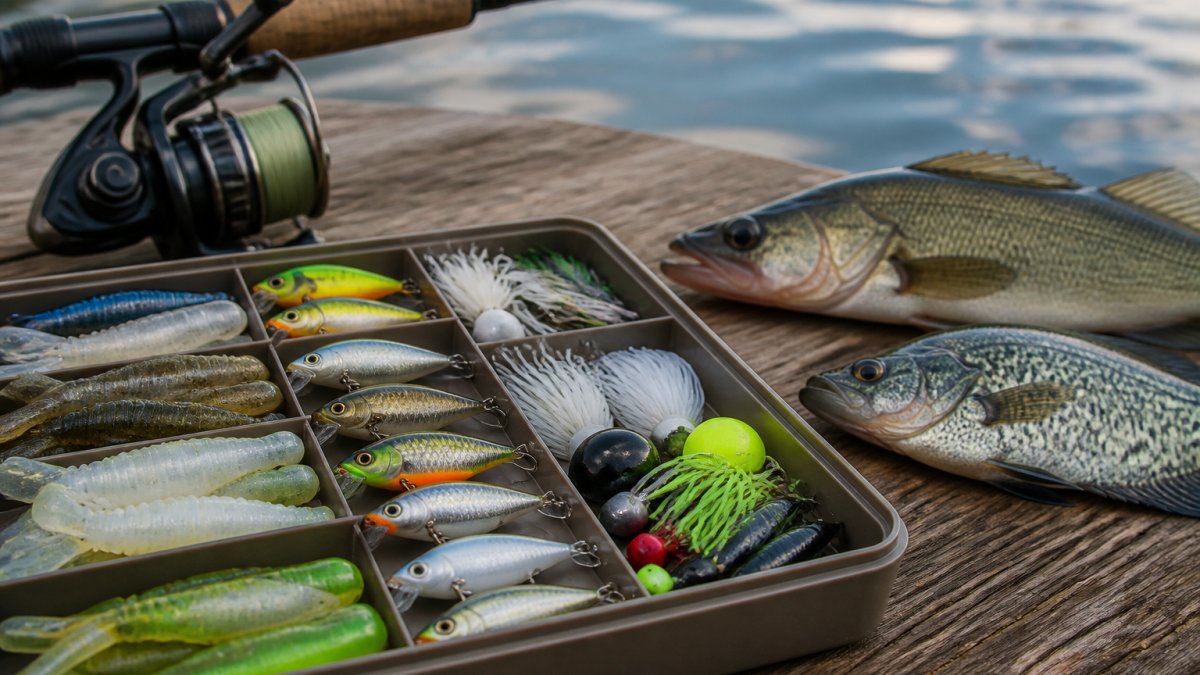
Walleye and crappie share water but almost nothing else in how they hunt. Walleye are low-light predators with light-sensitive eyes that ambush baitfish near structure; crappie are schooling panfish that suspend in cover and sip tiny prey. One lure family cannot serve both well.
At UntamedSportsman, we build baits for anglers chasing both species, and we see the same mistake repeatedly: buying one box of lures and expecting it to cover walleye and crappie trips.
The differences that matter most:
- Profile size: Walleye chase 3- to 5-inch forage; crappie key on 1- to 2-inch bait.
- Hook gap: Crappie have paper-thin mouths that demand small, fine-wire hooks.
- Speed: Walleye want a controlled, often slow presentation; crappie respond to a finesse cadence under a float or on a light jig.
- Light: Walleye feed hardest at dawn, dusk, and after dark; crappie bite well through daylight in shaded cover.
Get those four variables right and lure selection becomes far simpler. Get them wrong and the best bait in your box fishes like the worst.
Quick Comparison: Top Fishing Lures for Walleye and Crappie
The fastest way to sort fishing lures for walleye and crappie is a category table. Match the lure type to the species, then refine by depth, season, and water clarity.
| Lure Type | Best For | Typical Size | Where It Shines |
|---|---|---|---|
| Crankbait | Walleye | 2-4 in | Trolling flats, rock edges |
| Jig and soft plastic | Both | 1/16-3/8 oz | Vertical work, structure |
| Blade bait | Walleye | 1/4-1/2 oz | Cold water, river current |
| Small grub or paddletail | Crappie | 1.5-2 in | Brush piles, docks |
| Spoon | Both | 1/8-1/2 oz | Open water, suspended fish |
Read that table as a starting point, not a rulebook. A jig fishes both species, but the jig you tie on for walleye and the jig you tie on for crappie are different tools entirely.
Best Walleye Lures: Crankbaits, Jigs, and Blade Baits
The best walleye lures fall into three families: crankbaits for covering water, jigs for precise vertical work, and blade baits for cold water and current.
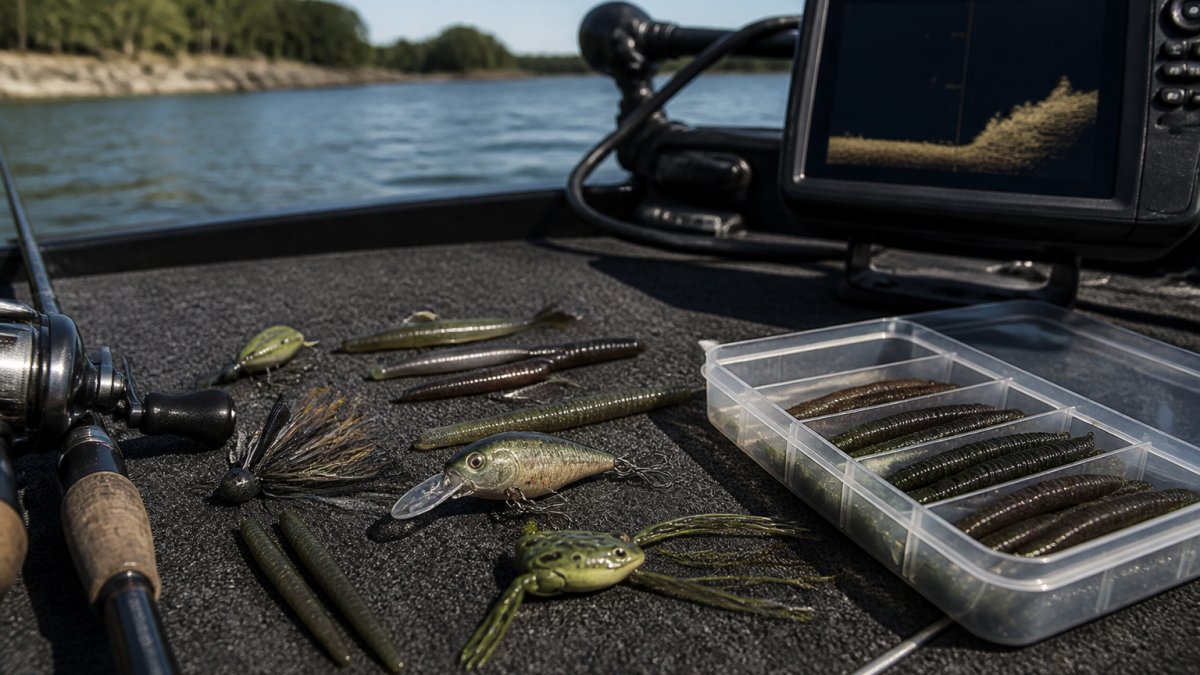
Crankbaits and hard baits shine when you need to cover water and find fish.
Jigs and jigging lures are the precision tool, letting you work a specific depth and cadence rather than covering water.
Blade baits and vibrating lures earn their place in cold water and current, where the tight vibration triggers sluggish walleye and the compact profile cuts through rivers a crankbait struggles in.
For open-water trolling, spoons flutter on a slow troll and excel when walleye suspend off structure; a snap-weight or diving planer gets them deeper without adding hardware at the bait.
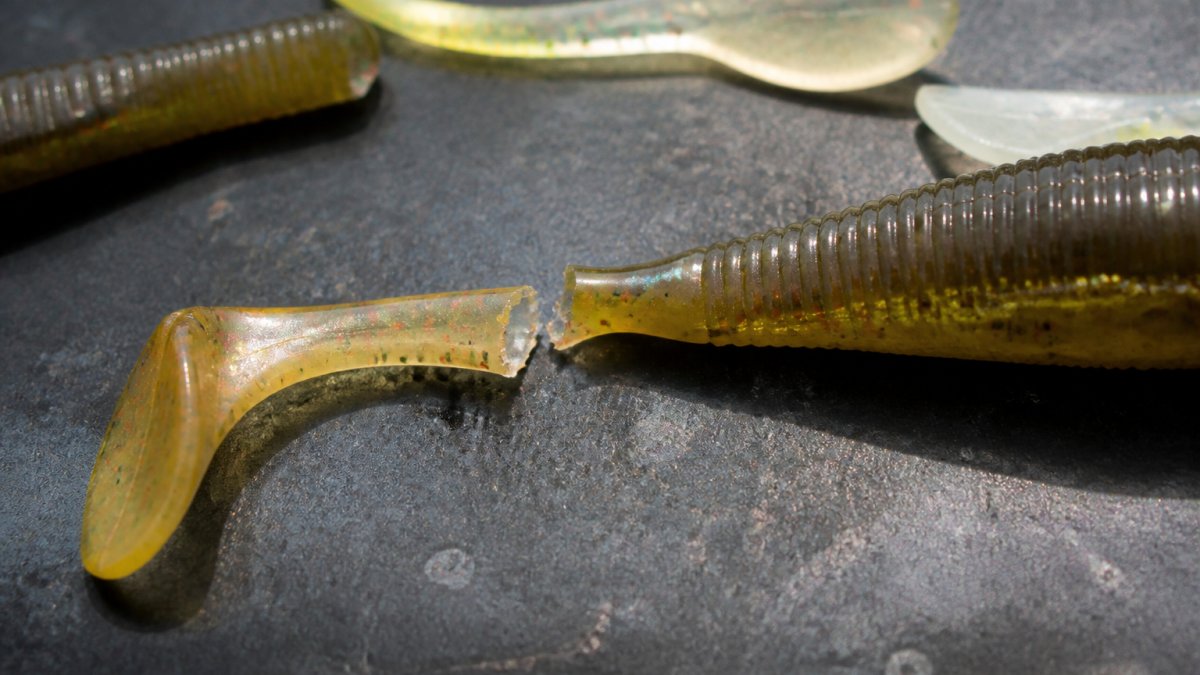
Our 5" Split Tailed Crush is a fluke-style bait built for exactly this: casting along structure and working across larger areas to tempt walleye and other predators out of cover.

Best Crappie Lures: Small Profiles and Finesse Presentations
The best crappie lures are small, subtle, and fished slow. Crappie have small mouths and feed on tiny baitfish, insects, and plankton, so downsizing is not optional.
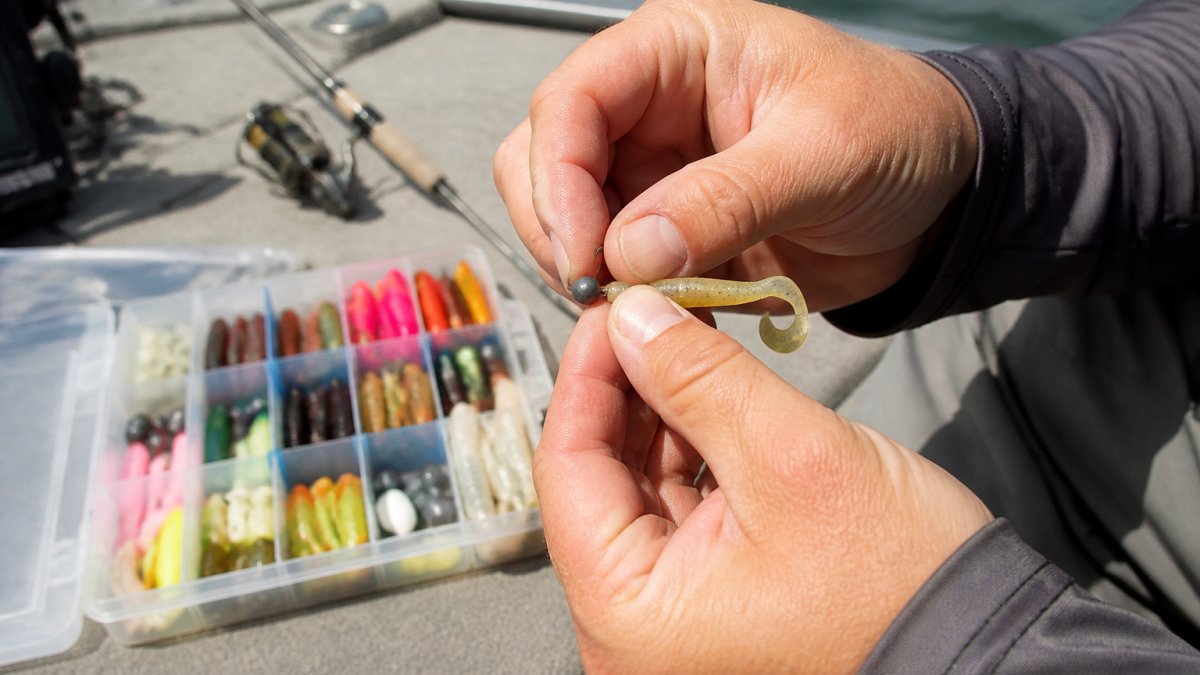
Soft plastics dominate crappie fishing. A 1.5- to 2-inch grub or paddletail on a light jig head covers brush piles, docks, and standing timber. The subtle tail action draws strikes from fish that ignore bigger, louder baits.
Small jigs work vertically under a float or cast and counted down. A slow, steady retrieve with a gentle lift-and-drop cadence keeps the bait in the strike zone longer.
Spoons and small spinners produce in open water and around bait schools, especially when crappie suspend off structure.
Our 2" Crappie Grub pairs a tapered, minnow-like body with an enhanced tail built for extra action, and the Thumping Shad 1.5" packs a tall, flat shad profile into a bite-sized paddletail.

Walleye Jig Size: Matching Weight to Depth and Current
Walleye jig size is a weight decision first and a color decision second. Match the jig head to depth and current, and the bait follows.
A practical starting framework:
- 1/16 to 1/8 oz: shallow flats, calm water, less than 10 feet.
- 1/4 oz: the all-around weight for 10 to 20 feet and moderate current.
- 3/8 to 1/2 oz: deep structure, river channels, and windy drifts.
The rule is simple: use the lightest jig that keeps contact with the bottom. Too light and you lose feel; too heavy and the presentation turns stiff and unnatural.
Jigging cadence matters as much as weight. A lift-and-drop rhythm that keeps the bait just off bottom triggers walleye holding tight to structure. In current, a heavier jig holds bottom while you maintain a slow, controlled presentation.
Crappie Jig Size: Small Hooks, Big Results
Crappie jig size runs small: 1/32 to 1/16 oz is the working range for most crappie fishing. The hook gap matters more than the weight.
A 1/32-ounce head with a fine-wire hook sinks slowly and keeps a small bait in the strike zone. That slow fall is often what triggers crappie to eat. Heavier heads sink fast and pull the bait out of the zone before a fish commits.
Pair the head with a 1.5- to 2-inch soft plastic and fish it under a float, vertically, or with a slow cast-and-retrieve. Crappie are schooling fish, so once you find the right depth, repeat the presentation.
Color selection follows water clarity: natural shad and minnow tones in clear water, brighter chartreuse and pink in stained water. Keep the profile small and the action subtle.
Lure Selection by Season and Water Condition
Season and water condition decide which lure gets tied on, and ignoring them is why many anglers fish the right bait at the wrong time.
Summer: Walleye avoid bright sun and slide to 20 to 35 feet or into shade, then move shallow at low light.
Fall: As water drops into the 50s, baitfish school and walleye follow; trolling crankbaits along breaklines finds fish fast, and blade baits trigger fish holding tight to structure.
Winter: Cold water slows fish, so slow down and downsize. A blade bait ripped and allowed to flutter, or a spoon jigged slowly, matches a sluggish walleye's willingness to strike.
Water clarity changes color choice, and forage base changes profile. Check local state fish and wildlife agency regulations before you fish, since seasons and limits vary by water.
Beginner Setup and Rigging Tips for Walleye and Crappie
Beginners should start with two rod setups and a small, focused lure box. Simplicity catches more fish than a packed tackle bag.
Walleye setup: a medium-light spinning rod with 8- to 10-pound line, a 1/4-ounce jig, and a soft plastic trailer. Cast, count down to the bottom, and jig with a lift-and-drop cadence.
Crappie setup: a light or ultralight rod with 4- to 6-pound line, a 1/16-ounce jig head, and a 1.5- to 2-inch grub. Fish it under a float or cast and retrieve slowly.
Rigging basics:
- Tie a improved clinch knot and wet it before tightening
- Thread the soft plastic straight so it tracks without spinning
- Check the hook point after every snag
- Carry spare jig heads in two or three weights
- Keep a small hook hone in the box
Durability matters for beginners learning around cover. Our soft plastics hold up cast after cast, and the Thumping Shad 4" adds a light-catching flutter that draws strikes on the fall.

Before any trip, confirm current rules through your state wildlife agency and practice catch-and-release for fish you don't plan to keep. Responsible fishing keeps these fisheries healthy for the next generation.
The hardest part of walleye and crappie fishing isn't finding fish; it's matching the lure to the species, depth, and season on the water in front of you.
Frequently Asked Questions
Can you use the same lures for walleye and crappie?
Sometimes, but the size difference matters. Crappie prefer small profiles like 1.5- to 2-inch soft plastics, while walleye usually hit 3- to 5-inch baits. A 2-inch grub on a 1/16-ounce jig can catch both, but you'll do better carrying separate boxes. The Thumping Shad 1.5" ($2.49 for 20) is a solid crappie option, while the 4" version ($2.99 for 6) suits walleye. Match the hatch to the species you're targeting.
What is the best jig size for walleye?
Walleye jig size depends on depth and current. In 10 to 20 feet of calm water, a 1/4-ounce jig works well. Bump to 3/8- or 1/2-ounce in deeper water or rivers with current. For shallow flats under 10 feet, 1/8-ounce is enough. Pair the jig with a 3- to 4-inch soft plastic like the Split Tailed Crush 5" ($4.99 for 10) or the 4" Thumping Shad. Carry a range of weights so you can adjust to conditions on the water.
What size jig should I use for crappie?
Crappie jig size usually falls between 1/32- and 1/16-ounce. Use 1/32-ounce in shallow water or when fish are finicky, and 1/16-ounce for casting or fishing slightly deeper brush. Pair these small jigs with 1.5- to 2-inch plastics such as the 2" Crappie Grub ($2.99 for 20) or the Lil Fishy ($1.29 for 20). Lighter jigs sink slowly, which keeps them in the strike zone longer when crappie are suspended.
What colors work best for walleye and crappie lures?
Color choice depends on water clarity. In stained or muddy water, walleye respond to bright chartreuse, orange, and firetiger patterns. Clear water calls for natural shad, silver, and perch tones. Crappie favor white, chartreuse, pink, and black-and-chartreuse combinations, especially around brush piles. Carry a mix of light and dark colors so you can switch when the bite slows. Start bright in low visibility and go natural when the water is clear.
Which lures work best for walleye and crappie in cold water?
Cold water slows both species, so downsize and slow down. For walleye, try 1/8- to 1/4-ounce jigs with 3-inch plastics, blade baits, or suspending jerkbaits worked with long pauses. Crappie in cold water hit tiny 1/32-ounce jigs tipped with 1.5-inch plastics like the Thumping Shad 1.5" ($2.49 for 20) or the Lil Fishy ($1.29 for 20). Vertical presentations over deep structure often outperform casting until the water warms in spring.
How do you choose a lure for walleye or crappie in clear water?
Clear water means wary fish, so go natural and downsize. For walleye, use shad-pattern crankbaits, 3-inch swimbaits, and lighter jigs in natural colors like silver, perch, and translucent white. Crappie in clear water respond to small white, smoke, and natural minnow patterns. Fish lighter line and longer casts to avoid spooking them. The 4" Thumping Shad ($2.99 for 6) in a natural shad tone is a good starting point for clear-water walleye.
What are some good swimbaits for walleye fishing?
Paddletail swimbaits in the 3- to 5-inch range are the go-to for walleye. Rig them on jig heads or weighted hooks and fish them slow along structure. The 4" Thumping Shad ($2.99 for 6) has a thin, flat body that catches light and a paddletail that thumps at slow speeds, which suits walleye in cool water. The Split Tailed Crush 5" ($4.99 for 10) is a fluke-style option for covering water along reefs and river edges.
Do I need a separate lure collection for walleye and crappie?
Not necessarily, but a dedicated box for each species saves time. Crappie lures are small, light, and fished on ultralight tackle, while walleye lures are larger and often fished deeper. A starter kit for each might include 1/32- and 1/16-ounce jigs with 2-inch plastics for crappie, and 1/4- and 3/8-ounce jigs with 3- to 4-inch plastics for walleye. Add a few crankbaits and blade baits for walleye, and you're covered for most outings.

Leave a comment
All comments are moderated before being published.
This site is protected by hCaptcha and the hCaptcha Privacy Policy and Terms of Service apply.