
Table of Contents
- What Makes Fishing Lures Expensive
- Cheap vs Expensive Fishing Lures: Where the Difference Shows
- Do Expensive Fishing Lures Catch More Fish?
- Cost Per Fish: The Real Measure of Value
- Best Budget Fishing Lures for Different Conditions
- How to Store Soft Plastic Baits for Maximum Lifespan
- When Premium Lures Are Actually Worth the Investment
- Common Mistakes That Make Expensive Lures a Waste
- Frequently Asked Questions
Last Updated: October 16, 2026
What Makes Fishing Lures Expensive
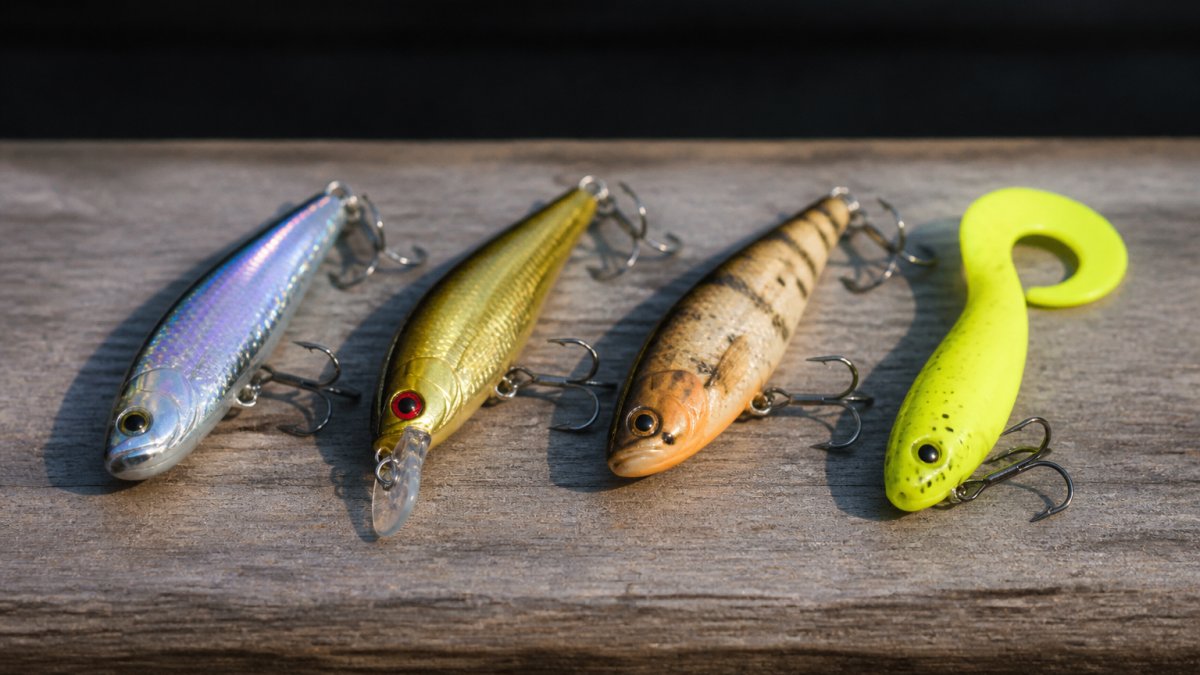
Are expensive fishing lures worth it? The answer depends on what you're actually paying for. When you pick up a premium lure at the tackle shop, you're not just paying for plastic and hooks, you're paying for materials, construction precision, and performance characteristics that budget alternatives simply don't match.
Materials and Construction Quality
The gap between cheap and expensive fishing lures starts with what they're made from. Premium lures use higher-grade materials: denser plastics that hold their shape longer, stainless steel hooks that resist corrosion, and hardware designed to withstand repeated casting and fighting fish.
Budget lures often use softer plastics that tear easily and hooks prone to bending or dulling. The difference becomes obvious after a few hours on the water.
Construction quality also affects consistency. Expensive lures are manufactured to tighter tolerances, meaning each one swims and behaves predictably. When you're fishing heavy cover or unfamiliar water, knowing exactly how your lure will move matters. Budget lures can vary significantly from one to the next, some swim true, others don't.
Action, Sound, and Finish
What separates an expensive fishing lure from a budget option often comes down to the details you can't always see. Premium lures feature refined action profiles: the way they wobble, glide, or dart through the water is engineered to trigger strikes.
Sound matters too. Many expensive lures include internal rattles or chambers tuned to specific frequencies. Research suggests fish respond differently to different sound profiles, and premium lures are designed with this in mind. A cheap rattle sounds like a rattle. An engineered one mimics the sound profile of natural prey.
The finish quality on expensive lures also resists UV damage and fading. A budget lure's paint may look dull after a season in the sun. A premium lure maintains its visual appeal and effectiveness over time.
Cheap vs Expensive Fishing Lures: Where the Difference Shows
The practical differences between budget and premium lures emerge quickly once you're fishing. Both will catch fish, that's not the real question. The question is consistency, durability, and whether you're replacing lures constantly or building a reliable collection.
Durability and Lifespan
A quality expensive fishing lure can last an entire season or longer with reasonable care. Budget lures often last a handful of trips before hooks dull, plastic degrades, or the lure simply falls apart. If you're fishing heavy cover, the difference accelerates: you'll lose lures either way, but premium ones hold up through more snags and abrasions before they're unusable.
Durability also affects performance. As a cheap lure ages, its action degrades. The plastic softens, the hooks lose their sharpness, and the overall effectiveness drops. An expensive lure maintains its performance characteristics longer, which means you're not constantly adjusting your technique to compensate for deteriorating gear.
Hook Quality and Hardware
This is where budget lures often fail first. Cheap hooks dull quickly and bend under pressure. Premium lures use chemically-sharpened hooks that maintain their point longer. The hardware, split rings, swivels, and attachment points, resists corrosion and failure on expensive lures. Budget hardware can snap or rust, leaving you with a lure that's no longer fishable.
Consistency Across Casts
Expensive lures perform the same way on cast 100 as they did on cast one. Budget lures degrade with use. That wobble you liked on your first cast may be gone by midday. This inconsistency forces you to adapt constantly, which wastes time and mental energy that should be focused on reading the water and presenting your bait effectively.
Do Expensive Fishing Lures Catch More Fish?
This is the question every angler asks. The honest answer: not always, but often.
What the Evidence Shows
Expensive lures don't automatically catch more fish than budget alternatives. A bass doesn't care whether your lure costs three dollars or thirty dollars. What matters is presentation, location, and whether your bait triggers a feeding response.
However, the conditions where expensive lures shine are specific. In clear water where fish are selective, the refined action and finish of a premium lure may outperform a budget option. In murky water or heavy cover, the difference shrinks significantly, a fish striking at movement and vibration is less likely to distinguish between expensive and cheap.
The real advantage of expensive lures isn't that they catch more fish universally. It's that they perform consistently across a wider range of conditions, and they keep performing longer before degradation forces you to replace them.
When Price Directly Impacts Catch Rate
Premium lures matter most in specific scenarios. When targeting trophy-sized fish in clear conditions, the subtle differences in action and finish can influence strikes. When you're fishing finesse presentations where precise lure behavior is critical, expensive lures deliver predictability that budget options don't.
In heavy vegetation or murky water, the gap narrows. A fish striking from cover is responding to vibration and silhouette more than subtle action details. A budget lure works fine here, until it falls apart and forces you to tie on something else.
Cost Per Fish: The Real Measure of Value
Forget about the sticker price for a moment. The real measure of whether expensive fishing lures are worth it is cost per fish caught.
A $3 budget lure that lasts two trips before failing costs $1.50 per outing. A $15 premium lure that lasts an entire season (20 trips) costs $0.75 per outing. The expensive lure is actually cheaper when you account for replacement frequency and lifespan.
Add in the time wasted switching out broken lures, and the advantage shifts further toward premium options. You're not just buying a lure, you're buying consistency and reliability that lets you focus on fishing instead of gear management.
This calculation changes based on where you fish. In heavy cover where you lose lures frequently, even expensive ones, the cost-per-fish advantage of budget lures improves. You're replacing gear constantly either way, so the durability advantage matters less.
Best Budget Fishing Lures for Different Conditions
If your budget is tight or you're fishing situations where lure loss is inevitable, certain budget lures perform well enough to justify their cost.
Heavy Cover and Vegetation
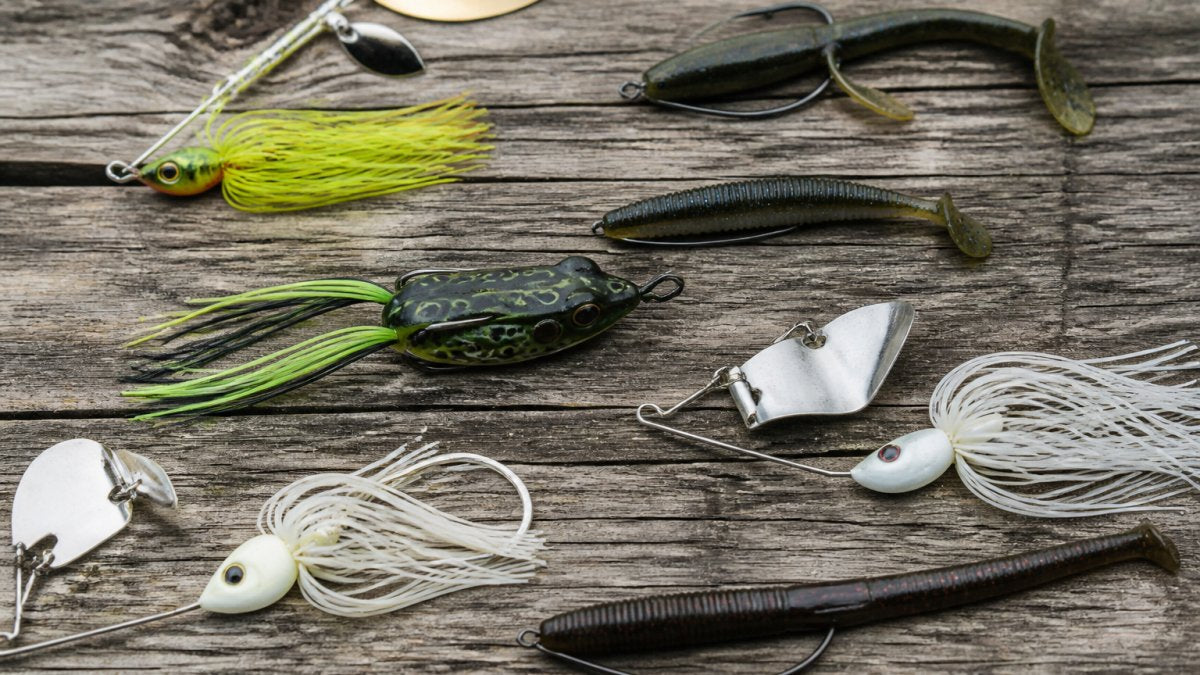
In dense vegetation and heavy cover, you need lures designed to shed weeds and resist snagging. Budget swimbaits and creature baits with weed guards work adequately here. The action doesn't need to be refined, you need durability and snag resistance. A $4 budget soft plastic creature bait performs similarly to a $12 premium version in this scenario because fish are striking on instinct rather than evaluating subtle differences.
Topwater frogs are another area where budget options hold their own. A cheap frog generates commotion and vibration. In heavy slop, that's often enough.
Open Water and Clear Conditions
Open water and clear conditions are where expensive lures pull ahead. Here, fish have time to evaluate your bait. Refined action, consistent swimming behavior, and realistic finishes matter. Budget lures often lack the precision needed to trigger selective fish in these situations.
If you're fishing clear water on a budget, invest in a few quality lures rather than a large collection of cheap ones. You'll catch more fish with three excellent lures than with a dozen mediocre ones.
How to Store Soft Plastic Baits for Maximum Lifespan
Whether you're using expensive or budget soft plastics, storage determines how long they last. Poor storage degrades soft plastics quickly, wasting money regardless of what you paid upfront.
Storage Containers and Organization
Soft plastics degrade when they touch certain materials. Never store soft plastic baits loose in a tackle box where they contact other lures or metal hardware. The plastic leaches into other materials and hardens.
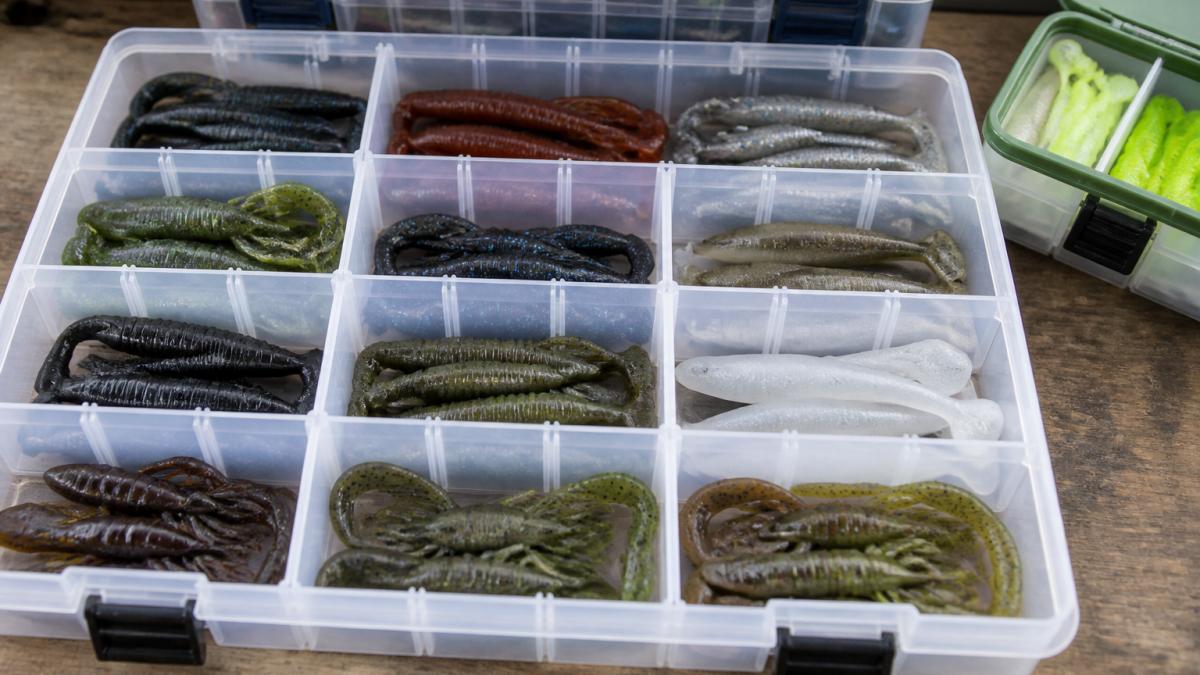
Use dedicated soft plastic storage containers, clear plastic boxes with divided compartments work well. Keep baits separated by type and color. This organization also saves time when you're on the water and need to find a specific lure quickly.
Some anglers use ziplock bags, which work in a pinch, but rigid containers protect baits better during transport. Make sure containers are clean and dry before storing baits.
Temperature and Light Control
Heat and sunlight degrade soft plastics. Store your tackle box in a cool, dark place. A garage or basement is ideal. Avoid leaving your tackle box in direct sunlight or in a hot vehicle. Heat softens the plastic, causing it to lose its shape and durability.
UV light also damages soft plastics, fading colors and degrading the plastic itself. Keep baits out of direct sunlight whenever possible. If you fish frequently and store baits in a vehicle, use a tackle box with opaque walls rather than clear ones.
Temperature stability matters. Avoid storing soft plastics in freezing conditions, which can make them brittle. Room temperature is ideal.
When Premium Lures Are Actually Worth the Investment
Premium lures make sense in specific situations. If you're targeting trophy fish in clear water, investing in quality gear pays off. The refined performance characteristics of expensive lures increase your odds of triggering strikes from selective fish.
If you fish frequently, multiple times per week, premium lures pay for themselves through durability. You're not constantly replacing gear, and the consistency lets you focus on technique rather than equipment maintenance.
If you're learning a new technique or targeting a specific species, expensive lures designed for that purpose are worth it. A premium topwater frog engineered for heavy slop outperforms budget alternatives significantly because the design is purpose-built.
At UntamedSportsman, we understand that every fishing situation is different. Our specialized bait collections are engineered for challenging conditions, heavy cover, slop, and situations where precision matters.
Common Mistakes That Make Expensive Lures a Waste
Expensive lures underperform when anglers make preventable mistakes. The most common: buying premium gear without understanding what makes it work.
An expensive lure won't catch more fish if you're using the wrong presentation. A $20 swimbait in the wrong depth zone catches nothing.
Another mistake is buying expensive lures without maintaining them. A premium lure that's never cleaned, stored improperly, or used with dull hooks performs worse than a well-maintained budget lure.
Anglers also waste money on expensive lures designed for conditions they don't fish. Buying premium deep-diving crankbaits when you fish shallow water is poor spending.
Finally, many anglers buy expensive lures without understanding their specific purpose. A premium finesse lure designed for clear water underperforms in murky conditions.
The real answer to whether expensive fishing lures are worth it: sometimes.
Frequently Asked Questions
Do expensive fishing lures actually catch more fish than cheap ones?
Not always. Catch rate depends more on lure selection for your target fish and fishing conditions than on price alone. A budget lure matched to the right situation often outperforms an expensive option used incorrectly. However, expensive lures typically offer better durability, consistent action, and superior hooks, advantages that compound over many fishing trips. The real difference shows in total cost per fish over a season, not in a single outing.
What makes fishing lures expensive compared to budget options?
Premium lures use higher-quality materials, precision-engineered hardware, and superior paint finishes that resist chipping. Their hooks are sharper and hold their edge longer. The swimming action is often more refined and consistent, and they're built to survive snags and repeated casting. Budget lures use thinner plastic, lower-grade hooks, and simpler construction, they work, but they wear out faster and may not perform as reliably in challenging conditions.
How should I store soft plastic baits to keep them in good condition?
Keep soft plastics in sealed, compartmentalized containers away from direct sunlight and heat. Store them at room temperature, extreme heat causes them to melt or warp, while cold makes them brittle. Separate different types and colors to prevent dye transfer. Check containers monthly for any signs of degradation. Proper storage extends lifespan significantly, reducing the need for frequent replacement and improving your cost per fish over time.
When is it worth paying more for a fishing lure?
Invest in premium lures when you fish heavy cover, challenging weather, or trophy-sized fish regularly. If you're targeting walleye or bass in dense vegetation, a lure with quality hardware pays for itself in fewer lost baits. For casual weekend fishing with kids, budget lures work fine. Tournament anglers and those fishing high-pressure waters benefit most from premium construction. Consider your fishing frequency and conditions, occasional anglers rarely justify the premium price.

Leave a comment
All comments are moderated before being published.
This site is protected by hCaptcha and the hCaptcha Privacy Policy and Terms of Service apply.