
Table of Contents
- Why Summer Bass Crush Topwater Frogs
- Hollow Body vs. Popping Frogs: Which One Wins
- Topwater Frog Color Selection Guide for Summer
- How to Fish Hollow Body Frogs in Heavy Cover
- Best Frog Fishing Rod and Reel Setup
- Troubleshooting Missed Hooksets and Short Strikes
- Frog Maintenance and Tuning for Long-Lasting Performance
- Conclusion: Dial In Your Summer Frog Game
- Frequently Asked Questions
Last Updated: September 28, 2026
Why Summer Bass Crush Topwater Frogs
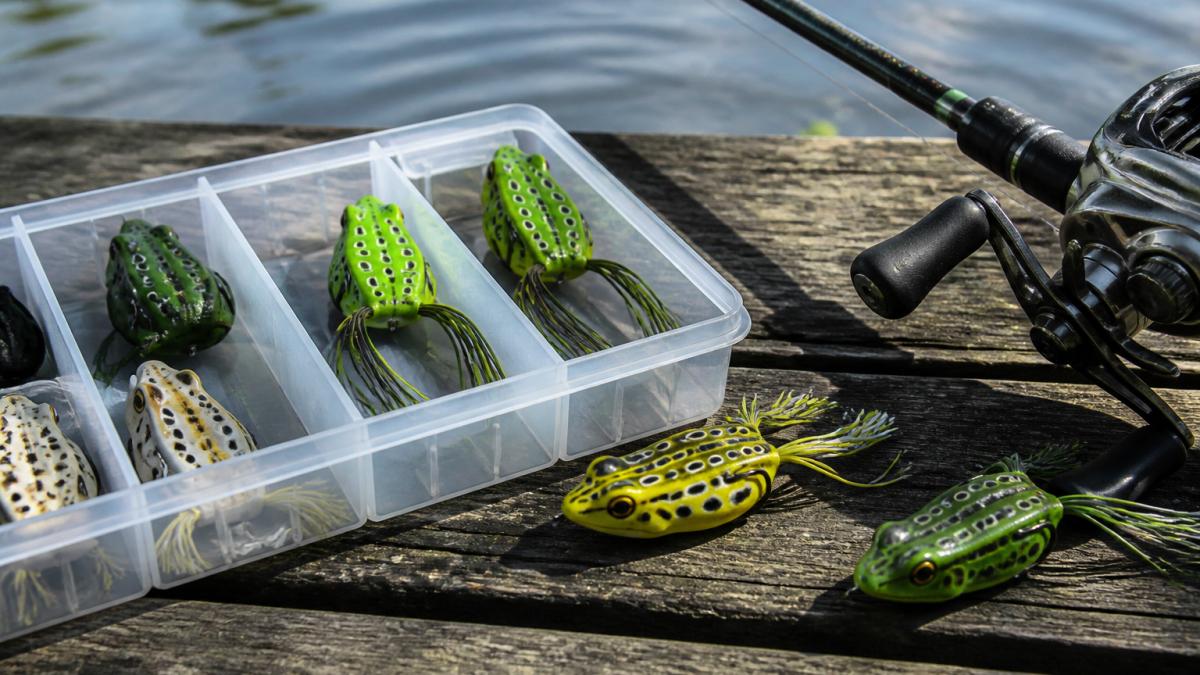
Summer heat pushes bass deep into shade and thick cover, and that is exactly when topwater frogs become the most exciting lure in your box. When water temperatures climb, bass move under lily pads and matted grass to ambush prey near the surface, and a well-presented frog triggers strikes that no subsurface bait can match. At UntamedSportsman, we build our bait lineup around this exact window: the sunrise and sunset bite when big bass are looking up.
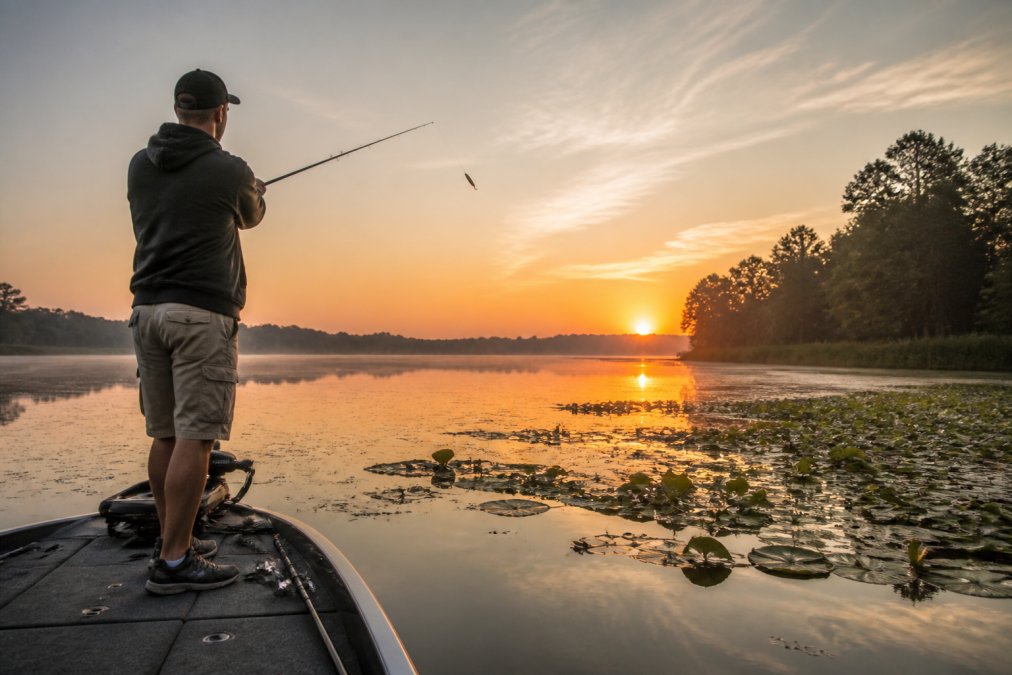
The reason is simple. A frog sits on the surface with a natural profile and enough weight distribution to stay put on pads. When you twitch it, the body collapse and kick action imitate a struggling prey item.
Hollow Body vs. Popping Frogs: Which One Wins
The best choice depends on cover density and how much surface disturbance you want. Hollow body frogs and popping frogs each solve a different problem, and most serious anglers carry both.
| Feature | Hollow Body Frog | Popping Frog |
|---|---|---|
| Best cover | Heavy slop, mats | Sparse pads, open water |
| Surface disturbance | Subtle walk-the-dog | Loud pop and spit |
| Hookup ratio | High in thick cover | High in open water |
| Debris collection | Low | Higher in slop |
Topwater Frog Color Selection Guide for Summer
Most frog guides tell you to "match the hatch" and move on. That advice is useless when you are standing on the deck at 6 a.m. trying to pick between four frogs in your box. What actually matters is a two-variable decision: water visibility and light condition. Get those two right and your hookup ratio climbs, because bass are feeding by silhouette and contrast, not by some abstract notion of realism.
The Two Variables That Drive Frog Color
Water visibility breaks into three practical buckets:
- Clear, you can see your frog's feet a foot or more down. Bass feed by sight and spook at unnatural tones.
- Stained, a greenish or tea-colored tint, visibility roughly measured in inches rather than feet. Contrast starts to matter more than realism.
- Muddy, chocolate milk, near-zero visibility. Only silhouette and vibration get noticed.
Light condition is the second axis: high sun, overcast, or low light (dawn, dusk, heavy shade under mats).
The Color and Profile Matching Matrix
| Water | High Sun | Overcast | Low Light |
|---|---|---|---|
| Clear | Translucent naturals: Watermelon Seed, Sand, Baby Bass | Slightly darker naturals: Green Pumpkin, Tilapia | Solid dark: Black, June Bug |
| Stained | Natural with contrast: Watermelon Red, Black/Blue | High-contrast: Black/Silk Chartreuse, Red Glimmer | Solid black or black/chartreuse |
| Muddy | High-contrast: Black/Silk Chartreuse, White | Solid black | Solid black, add a rattle if your frog accepts one |
Two rules sit on top of the matrix:
- Profile beats color in low visibility. In muddy water or after dark, a slightly larger frog with a bigger silhouette outperforms a smaller, more "realistic" one. Bass are tracking a shape, not a paint job.
- Match the belly, not just the back. On bright days over clear water, a frog with a light or white belly reads as a baitfish silhouette from below. On dark days, a solid dark belly keeps the profile readable against a bright sky.
Why This Beats the "Bright Day, Bright Color" Rule
The UntamedSportsman Croaking Frog comes in 12 colors that span this entire matrix, from Watermelon Seed to Black/Silk Chartreuse, so you can build a three-frog kit that covers clear, stained, and muddy water without guessing.

How to Fish Hollow Body Frogs in Heavy Cover
Fishing hollow body frogs in heavy cover is about patience and cadence, not speed. The retrieve is a steady walk-the-dog rhythm with deliberate pauses over openings.
Key technique points:
- Keep your rod tip up and reel in slack as the frog approaches
- Walk the frog with short, rhythmic twitches, not long sweeps
- Let the frog sit still over openings before the next twitch
- Set the hook hard and immediately when the surface explodes
Best Frog Fishing Rod and Reel Setup
The best frog fishing rod and reel setup pairs a heavy action rod with braided line and a high-speed reel. This combination gives you the power to haul bass out of cover and the speed to take up slack before the hookset.
Troubleshooting Missed Hooksets and Short Strikes
Missed hooksets are the single biggest reason anglers give up on frogs. The frustrating part is that the blowup looks identical whether the problem is your timing, your rod, your line, or the frog itself. This section is a diagnostic: match the symptom to the cause, then fix the cause.
Symptom 1: The Fish Blows Up and the Frog Flies Back at You
This is almost always a timing problem, not a hook problem. You swung on the splash instead of the weight. A bass that boils the surface has not yet closed its mouth on the frog, it is still inhaling. Wait until you feel the rod load, then sweep.
Symptom 2: The Fish Takes the Frog but the Hook Does Not Stick
Two causes dominate here:
- Slack line. If there is any bow in your line when the fish commits, your hookset energy goes into straightening the bow instead of driving the hook. Keep your rod tip up and reel the slack out as the frog approaches the boat or the edge of the mat.
- Dull hook point. A hook that drags across a thumbnail instead of biting into it will skip off a bass's jaw. Check points every few casts in heavy cover, because pads and wood dull hooks fast.
Fix: Reel until you feel the fish, then set hard. Sharpen or replace any hook that does not bite your thumbnail.
Symptom 3: Short Strikes, the Fish Nips the Legs and Misses the Body
Short strikes usually mean the frog is too long for the way the fish are feeding, or the fish are keyed on a smaller profile. This is where tuning matters.
- Trim the legs. Cutting a quarter inch off each leg shortens the profile and changes the cadence. It sounds trivial; it changes how the frog sits and how fish commit.
- Slow the retrieve. A frog that is moving too fast gives a bass a smaller window to line up. Add longer pauses over openings.
- Downsize the frog. If fish are consistently nipping the back half, switch to a smaller frog rather than fighting the pattern.
Symptom 4: The Fish Comes Unbuttoned Mid-Fight
This is a rod and line problem, not a hookset problem. A rod that is too soft cannot keep pressure on a bass that dives into pads, and a line with stretch absorbs the energy you need to keep the hook pinned.
Symptom 5: You Feel Nothing but the Frog Is Gone
This is the hardest one. A bass that inhales and rejects the frog in under a second leaves no blowup and no weight. The fix is to fish a frog with a hook that sits higher in the body, or to add a trailer hook if your frog accepts one. It also helps to slow down, a frog that pauses longer gives the fish a longer window to commit.
Frog Maintenance and Tuning for Long-Lasting Performance
A frog that has absorbed water or lost its shape will not walk correctly, and that kills your hookup ratio. Routine maintenance keeps every frog in your box fishing like new.
Conclusion: Dial In Your Summer Frog Game
Summer frog fishing rewards preparation more than luck. Match your color to light and water clarity, choose the right body style for the cover, and keep your hook points sharp and your line tight. Those details turn blowups into landed bass.
Frequently Asked Questions
Do bass bite topwater frogs in summer?
Yes. Summer is prime time for topwater frogs because bass move shallow to feed on baitfish and frogs around lily pads, matted vegetation, and slop. The low-light windows at sunrise and sunset produce the most surface strikes. During the day, bass often hold under thick cover where a weedless frog can reach them. Focus your casts on the edges of pads and any openings in the mat where bass ambush prey.
What color frog is most effective for bass fishing?
Match the color to light and water clarity. Natural shades like Watermelon Seed and Sand work well in clear water and bright sun. Bold colors such as Black/Silk Chartreuse and Red Glimmer produce better in low light, stained water, or heavy shade under mats. A topwater frog color selection guide built around those conditions will keep you covered across summer mornings, afternoons, and evenings.
How do you fish a hollow body frog in heavy slop?
Cast past your target and walk the frog back with a steady cadence, pausing over openings in the mat. Keep your rod tip up and use braided line to cut through vegetation on the hookset. Wait until you feel the fish's weight before driving the hook home. Learning how to fish hollow body frogs in heavy cover is about patience: let the frog sit, twitch it, and strike only when the bass has fully taken it.
How do you prevent short strikes when fishing topwater frogs?
Short strikes usually mean bass are swiping at the tails without committing. Try trimming legs shorter, or pausing longer on your retrieve to force a full commit. Slow your cadence and let the frog sit still for two or three seconds after each twitch. A longer pause gives the bass time to turn and eat the frog instead of just bumping it.

Leave a comment
All comments are moderated before being published.
This site is protected by hCaptcha and the hCaptcha Privacy Policy and Terms of Service apply.