
Last Updated: November 4, 2026
Quick Summary
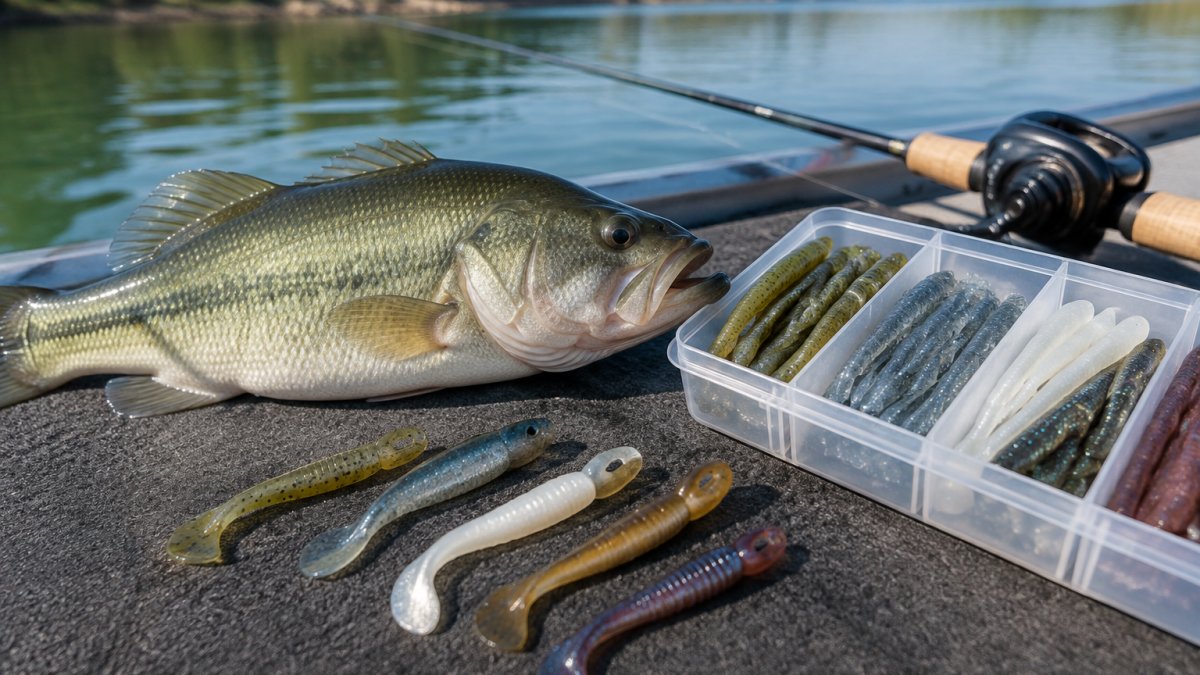
Green pumpkin, watermelon, smoke, and translucent shades are the best soft plastic colors for clear water bass because they mimic the forage bass already eats. In clear water, bass can inspect a bait from a distance, so natural colors that disappear into the environment beat bright, unnatural ones.
- Judge clarity by lowering a white spinnerbait until it disappears and estimating visibility in inches.
- More than 4 feet of visibility means true clear water where natural and translucent shades win.
- At dawn and dusk, treat clear water like slightly stained water and step one shade darker.
- Match the dominant forage: bluegill and crawfish push you toward green pumpkin, watermelon, and browns.
- When fishing deep in clear water, move one step darker or add flake so the bait keeps its shape.
Table of Contents
- Why Clear Water Changes Everything for Soft Plastic Color
- Natural Colors That Win in Clear Water
- Bass Lure Color Selection Chart: Match Water, Light, and Forage
- Matching the Hatch for Bass Fishing in Clear Lakes
- When to Switch to Dark or Bright Colors
- Color by Soft Plastic Shape and Presentation
- How to Test and Adjust Colors on the Water
- Stock Your Box With Clear-Water Colors
- Frequently Asked Questions
Why Clear Water Changes Everything for Soft Plastic Color
Clear water is a magnifying glass for bass. They can inspect a bait from a distance before committing, so the best soft plastic colors for clear water bass are the ones that look like something a bass already eats, not something a tackle shop display case made bright for anglers. This guide breaks down the shades that hold up under that scrutiny, when to abandon them, and how to test the difference on your next trip.
Water clarity drives everything here. In stained or muddy water, bass rely on vibration and silhouette, and color barely matters. In clear water, sunlight penetrates deep, baitfish and crawfish show their true colors, and a bass's eyesight becomes its primary hunting tool. A soft-plastic bait that looks natural in the package can flash wrong underwater, and a subtle one can look exactly right.
That's the tension most color guides ignore: clear water doesn't reward the prettiest bait, it rewards the most believable one. Get that right and you'll get more bites from fish that had every chance to say no.
Natural Colors That Win in Clear Water
Natural colors dominate clear water because they mimic the forage bass already sees every day. Green pumpkin, watermelon, smoke, and translucent shades top the list, and they work because they disappear into the environment instead of announcing themselves.
Green Pumpkin and Watermelon: The Clear-Water Standards
Green pumpkin soft plastics are the closest thing to a default in clear water. You can browse fishing worms in these natural shades to stock your box. The brownish-green tone matches crawfish, bluegill, and the general murk of lake bottoms. Watermelon sits a shade greener and more translucent, which makes it deadly around grass and hydrilla.
Watermelon red adds a fine red flake that reads as gill flash or a wounded baitfish. Junebug, a dark purple with flake, looks unnatural in the package but mimics a crawfish or leech underwater in low light.
Smoke, Translucent, and Other Subtle Shades
Smoke and translucent shades work best when bass are pressured and wary. These baits let light pass through, so they look alive rather than painted. Pair smoke with a natural worm profile and you have a finesse presentation that fish accept without hesitation.
Pink and light purple can serve as accents when bass key on small baitfish.
Bass Lure Color Selection Chart: Match Water, Light, and Forage
Most color charts hand you a table and walk away. The problem is that a table can't tell you what to do when your lake is clear at the ramp but stained two coves over, or when the sun goes behind a cloud at 9 a.m. What follows is a decision sequence, not a lookup, run it top to bottom and you'll land on a color instead of guessing.
Step 1: Read clarity first, because it caps everything else
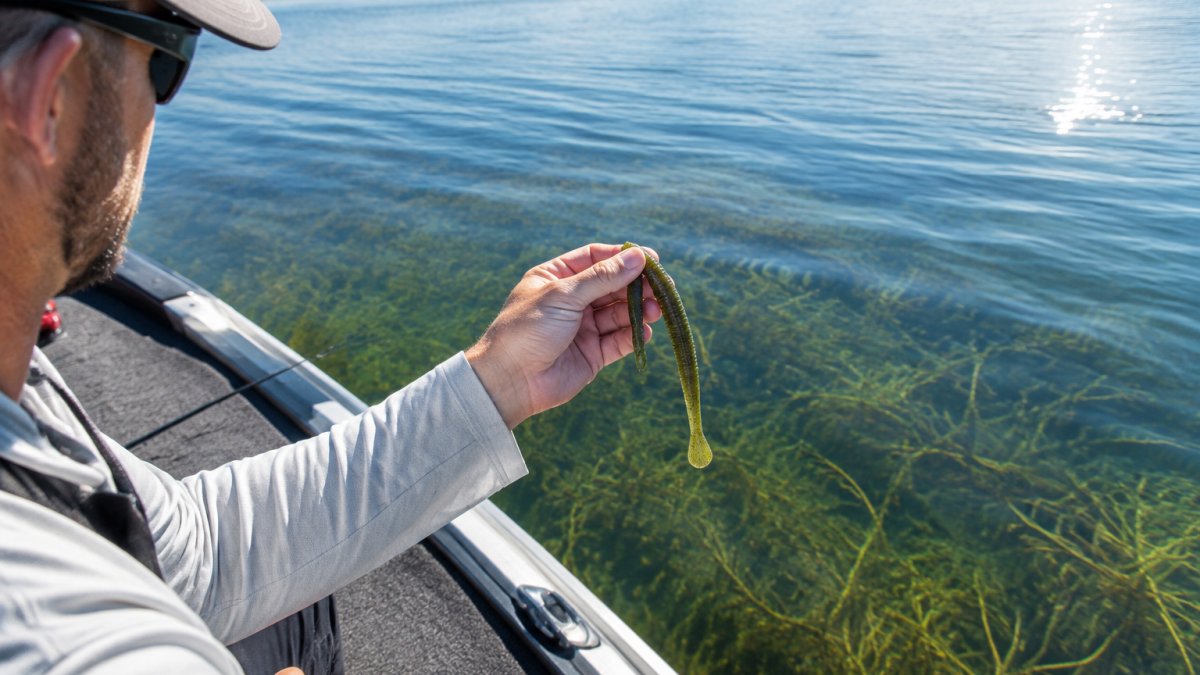
Clarity sets the ceiling on how much a bass can see. Before you open a tackle box, judge visibility with a simple test: lower a white spinnerbait or a light-colored soft plastic until it disappears, and estimate the depth in inches. Rough bands most anglers use:
- More than 4 feet of visibility: true clear water. Bass can inspect a bait from a distance, so natural and translucent shades win.
- 2 to 4 feet: slight stain. Detail starts to blur; dark naturals and flake begin to earn their place.
- Under 2 feet: stained to muddy. Silhouette and vibration lead; color becomes a contrast decision, not a realism decision.
That single reading eliminates half the colors in your box before you tie anything on.
Step 2: Adjust for light, because the same color reads differently at dawn and noon
Light is the variable most charts ignore. In clear water under bright sun, a bass sees color and detail at range, so translucent naturals look alive and bright baits look wrong. Under heavy cloud, low light flattens detail and softens color, so a bait with flake or a slightly darker natural tone holds its shape better than a pale translucent one. At dawn and dusk, treat clear water like slightly stained water: step one shade darker and let silhouette do more of the work.
Step 3: Match the dominant forage, not the whole lake
Once clarity and light narrow the list, forage picks the final shade. Bluegill and crawfish push you toward green pumpkin, watermelon, and browns. Shad push you toward smoke, translucent, and light purple baitfish profiles. Bass often key on one prey item at a time, so a bait that copies the dominant forage tends to work better than one that merely looks natural.
Step 4: Adjust for depth and presentation speed
Depth changes color appearance because light penetration drops with every foot. A watermelon bait that looks right in 3 feet can look gray and washed out at 15 feet. When you fish deep in clear water, move one step darker or add flake so the bait keeps its shape at distance. Slow presentations give bass more time to inspect, which favors subtle naturals; fast moving baits give less inspection time, which lets you get away with a slightly brighter or flashier shade.
The working chart
Use this after you've run the four steps, it summarizes the sequence rather than replacing it.
| Clarity | Light | Forage cue | Color family | Example shades |
|---|---|---|---|---|
| Clear (4 ft+) | Bright sun | Bluegill/craw | Natural, translucent | Green pumpkin, watermelon, smoke |
| Clear (4 ft+) | Cloudy | Shad | Natural with flake | Watermelon red, smoke with flake |
| Clear (4 ft+) | Dawn/dusk | Mixed | One shade darker natural | Junebug, dark green pumpkin |
| Slight stain (2-4 ft) | Any | Craw | Dark natural | Black, dark green pumpkin |
| Stained (<2 ft) | Any | , | Dark solid | Black, blue, dark purple |
| Muddy | Any | , | Bright or dark | Chartreuse, black, bright pink |
Watch out: don't treat the chart as a permanent answer. Clarity and light change hour to hour, and the anglers who catch consistently are the ones who re-read the water instead of fishing yesterday's color.
Matching the Hatch for Bass Fishing in Clear Lakes
Matching the hatch for bass fishing means identifying the dominant forage in the lake and choosing a soft plastic that copies its size, shape, and color. In clear lakes, bass are usually keyed on one or two prey items at a time, and a bait that matches wins over a bait that merely looks good.
Start by watching the shallows. If you see bluegill, lean on green pumpkin and watermelon. If shad are flickering across the surface, smoke and translucent shades with a baitfish profile are your answer. Crawfish means browns, dark greens, and Junebug near rock and hard bottom.
The creature bait profiles and color selections for heavy cover guide digs deeper into matching forage with soft plastic shapes, and it's worth reading before your next trip.
When to Switch to Dark or Bright Colors
Switch away from natural colors the moment clarity drops. Stained water hides bass from sight but not from vibration, and dark colors like black, blue, and dark purple create the strongest silhouette against a muddy background. Bright chartreuse and pink come into play when you need a bait to stand out in low visibility or when bass are aggressive and chasing.
The mistake most anglers make is staying with green pumpkin all day because it worked at sunrise. If a front rolls in and the water muddies, that bait stops producing. Dark colors and bright colors aren't backups. They're the right tool for a different condition.
For a full breakdown of lure choices when clarity tanks, read which bass lures work best in stained water.
Color by Soft Plastic Shape and Presentation
Color and shape are not separate decisions. The same shade that looks perfect on a slim worm can look washed out on a bulky creature bait, and a color that works on a slow drop shot can be wrong on a fast-moving swimbait. The reason is mechanical: shape controls silhouette, fall rate, and action, and those three things change how much light the bait reflects and how long a bass has to look at it.
Why shape changes the color call
A slim, slow-falling bait gives a bass a long look, so subtle translucent shades read as natural. A bulky bait with a fast fall gives a shorter look and a bigger silhouette, so it needs more contrast to register as a solid meal. A moving bait with flash and vibration relies less on color realism and more on the impression of a fleeing baitfish. Match the shade to how the bait behaves, not just to the water.
Worms and stick baits
Slim profiles and slow falls reward subtlety. Green pumpkin, watermelon, and smoke are the core, with watermelon red as a flake option when you want a hint of gill flash. Weightless stick baits in clear water are the classic case: a translucent smoke or watermelon bait that shimmies on the fall looks like a dying baitfish, while a bright bait in the same profile looks like a lure. Finesse worms fished on a drop shot follow the same logic, smoke, translucent, and light natural tones for pressured fish.
Creature baits and craws
Bulk needs contrast. A big creature bait in a pale translucent shade can blur into a single blob at distance, so darker naturals, Junebug, black, dark green pumpkin, hold their shape and read as a solid crawfish or bluegill meal. Craw-style baits fished around rock and hard bottom are a natural fit for browns, dark greens, and Junebug, because those tones match a crawfish's shell and keep the silhouette crisp.
Swimbaits and paddletails
Moving baits are a different problem. Flash, tail thump, and speed do most of the work, so translucent shad patterns, smoke, and light purple are the clear-water picks. A baitfish profile in a translucent shad shade reads as a fleeing shad; the same profile in a dark solid can read as a shadow. When bass are chasing baitfish in clear water, movement and flash let you get away with a slightly brighter shade than you would on a slow bottom bait.
Rigging and presentation
Rigging changes the look too. A Texas rig with a pegged weight keeps a compact profile and lets a natural shade do the work; a drop shot suspends the bait and gives bass time to inspect, which favors subtle translucents; a weightless presentation falls slowest and rewards the most natural shades. A common mistake is buying one bait in ten colors. Buy three shapes in your best four colors instead, so you can match the shade to the presentation instead of forcing one color onto every rig.
Watch out: don't assume a color that works on a worm will work on a creature bait. Bulk and fall rate change how the same shade reads underwater, so test each shape on its own.
Our soft plastic switch-style baits in multiple colors give you stick bait options across these shades, and the 5" Switch at $4.99 per 10-pack is a good place to start building a clear-water box.
How to Test and Adjust Colors on the Water
Testing colors on the water is simple if you're systematic. Rig two rods with the same bait in different colors, fish them through the same stretch, and note which one draws strikes first. That's it. No lab coat required.
Run this quick field test:
- Start with green pumpkin on one rod and watermelon on the other
- Fish both through the same 50-yard stretch of clear water
- Note which color gets the first bite and the most follows
- If neither produces, drop to smoke or translucent for pressured fish
- If clarity drops, switch one rod to black or Junebug
- Log water clarity, light, and results in a notebook or phone note
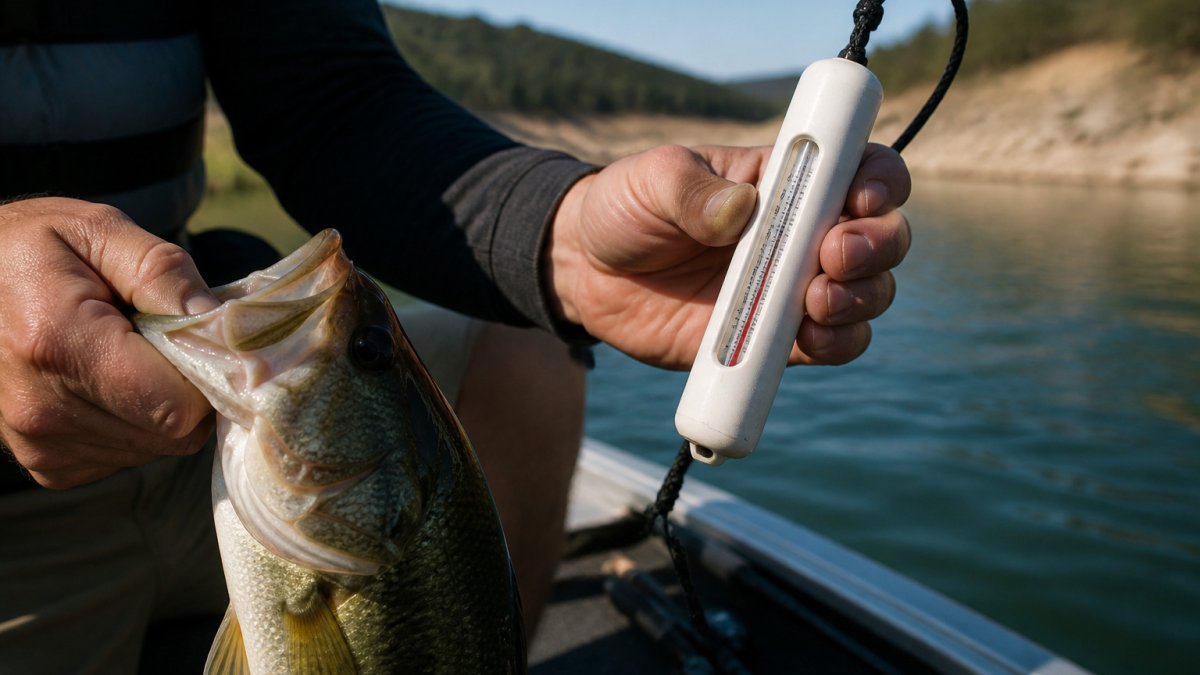
Two or three trips of this and you'll know your home lake's clear-water colors better than any chart can tell you. Water temperature shifts the pattern too, and reading water temperature for bass helps you anticipate when bass move and how they feed.
Stock Your Box With Clear-Water Colors
A clear-water soft plastic box doesn't need fifty colors. It needs the right eight to ten, organized so you can grab the right one fast. Here's what we'd carry:
- Green pumpkin in a stick bait and a worm
- Watermelon and watermelon red in a finesse worm
- Smoke and translucent in a drop-shot bait
- Junebug in a creature or worm
- Black and dark purple for stained conditions
- Chartreuse as a low-visibility accent
Our clear-water picks include the 5" Switch ($4.99, 10-pack) for weightless stick bait work, the Smooth Shot ($3.99, 12-pack) for finesse drop-shot presentations, and the Split Tailed Crush 5" ($4.99, 10-pack) when bass are chasing baitfish. The 4" Dessert Worm ($3.99, 12-pack) is a finesse option; its color range is listed on its product page.
Bright colors earn a spot in the box, but natural shades are the usual starting point in clear water.
Frequently Asked Questions
What are the best soft plastic colors to use in clear water?
Natural, translucent shades top the list: green pumpkin, watermelon, watermelon red, smoke, and light purple. These colors mimic baitfish, craws, and worms while letting sunlight pass through the plastic, so the bait looks alive instead of painted. Keep one dark option like Junebug or black-blue for cloudy days or deep shade. A simple clear water bass box holds three or four naturals plus one dark backup.
Why do natural colors perform better in clear water bass fishing?
Bass feed heavily by sight in clear water, and they spook at anything that looks out of place. Translucent naturals blend with the light and background, so the bait reads as forage rather than a lure. Bright or opaque colors can still draw reaction strikes, but they work best when light is low or the fish are aggressive. Start natural, then move brighter only if the bite stays cold.
Should you use flakes in your soft plastics for clear water?
Yes, in moderation. Small flake adds flash that mimics the scales and shimmer of baitfish, and it shows up well when sunlight penetrates clear water. Heavy metal flake can look artificial in very clear conditions, so lean toward fine flake or none at all. Green pumpkin with red flake and watermelon red are reliable middle-ground choices for stained-to-clear transitions.
When should you switch from natural to bright colors in clear water?
Switch when visibility drops or the fish turn reactionary. Cloud cover, wind chop, depth past 10 feet, or a cold front can dull natural colors, so try chartreuse, white, or pink tails. Bright colors also help when bass are chasing bait hard and want a fast-moving target. Carry both, and let the first 20 casts tell you which direction the fish prefer.
Clear water rewards patience and precision, and the anglers who catch consistently are the ones who test instead of guess. If you're ready to build a box around shades that actually match your lake, UntamedSportsman makes soft plastics in the natural tones clear-water bass respond to, with flavored Switch Baits, finesse-ready Smooth Shots, and baitfish-profile Split Tailed Crush designs. Get started with UntamedSportsman and fish colors you can trust when the water turns glass-clear.



Leave a comment
All comments are moderated before being published.
This site is protected by hCaptcha and the hCaptcha Privacy Policy and Terms of Service apply.