Table of Contents
- Best Snag Resistant Bass Lures for Heavy Cover
- Quick Comparison Table
- Topwater Frogs: Floating Above the Weeds
- Creature Baits and Beaver-Style Lures
- Crawfish Presentations for Snag Resistance
- Weedless Bass Lures and Rigging Techniques
- Best Bass Lures for Heavy Grass and Weeds: Setup and Tactics
- Texas Rig for Heavy Cover and Best Line for Fishing Heavy Cover
- Frequently Asked Questions
Last Updated: October 11, 2026
Best Snag Resistant Bass Lures for Heavy Cover
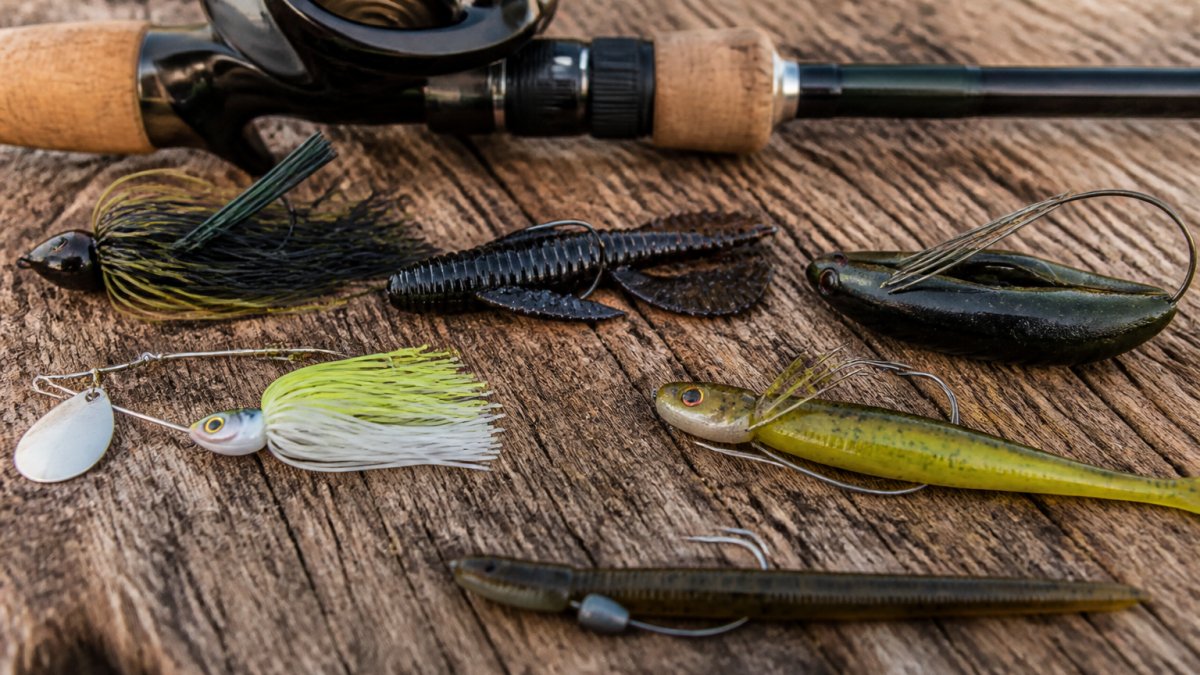
When you're fishing heavy cover, losing lures to snags is part of the game. But the right snag resistant bass lures 2026 can cut those losses dramatically while keeping you in the strike zone where trophy bass hide.
At UntamedSportsman, we design snag resistant bass lures that stay rigged, stay intact, and keep working even when they're dragged across submerged timber, matted vegetation, and rocky structure.
Snag resistance isn't about sacrificing hookup rates. The best snag resistant bass lures balance weed guard effectiveness with solid hook penetration. You need lures that slip through cover without getting snagged, but still drive the hook home when a bass commits.
The key is understanding which lure types work best for specific cover types and how to rig them for maximum snag avoidance. Below, we'll break down the top snag resistant bass lures 2026 across multiple categories, show you how to rig them properly, and help you choose the right tool for your conditions.
Quick Comparison Table
| Lure Type | Best For | Price Range | Snag Resistance | Hookup Rate |
|---|---|---|---|---|
| Topwater Frogs | Matted grass, lily pads | $4.99 | Excellent | Good |
| Creature Baits | Flipping timber, brush | $5.99 | Very Good | Excellent |
| Crawfish Presentations | Rocky structure, bottom | $4.99-$5.99 | Good | Very Good |
| Weedless Rigged Soft Plastics | Dense weeds, slop | $3.99-$4.99 | Excellent | Good |
Topwater Frogs: Floating Above the Weeds
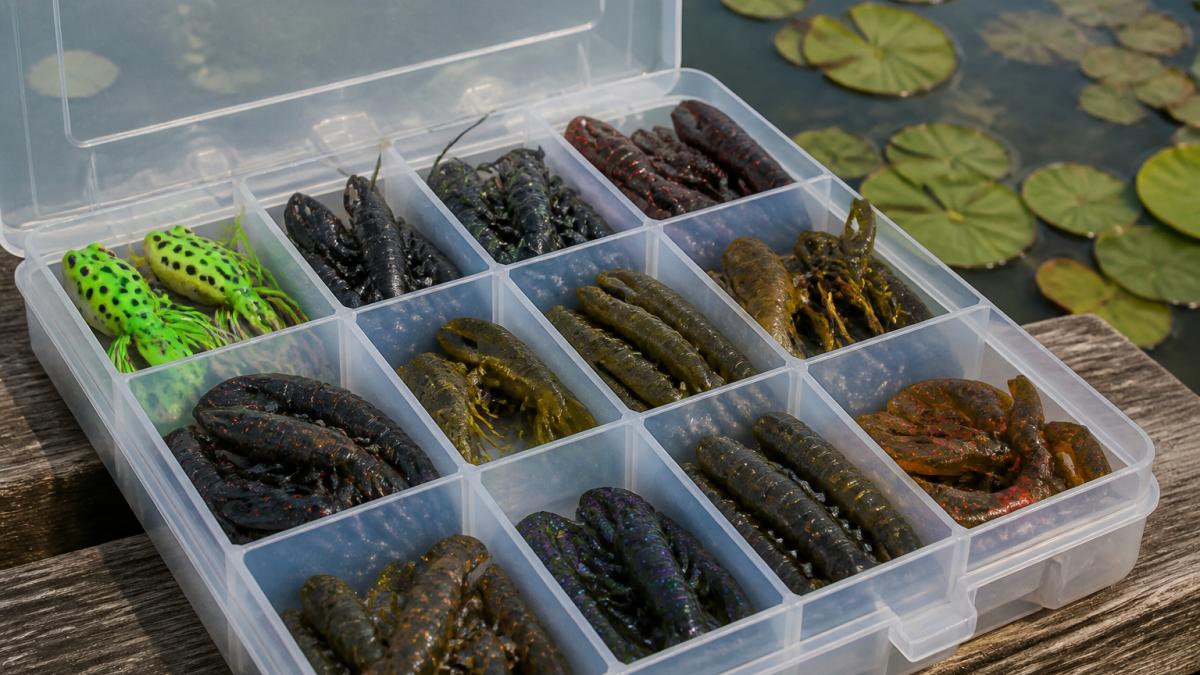
Topwater frogs are the ultimate snag-resistant presentation because they never sink into the cover where they get stuck. They stay on top, working over matted grass, lily pads, and dense slop where other lures would be lost in seconds.
The Croaking Frog from UntamedSportsman floats by design, giving you a lure that works in conditions where sinking presentations would be suicide. Its excellent kick draws strikes from bass looking up, and because it stays on the surface, snag risk drops to nearly zero. You're working over the cover, not through it.

The real advantage of topwater frogs is that you can fish tighter to cover. That translates to more casts in the strike zone and more bites.
Creature Baits and Beaver-Style Lures
Creature baits are workhorse snag resistant bass lures 2026 because their compact profile and weed guard design let you punch them into tight spots. Beaver-style lures like the Tramp and Tramp Jr from UntamedSportsman are built for flipping and punching heavy cover.

The Tramp is a 4-inch creature bait engineered for dense timber and brush. Its bulk gives you casting distance and a profile bass can't ignore, while the compact size means fewer hang-ups. The Tramp Jr scales that down to 3.25 inches for situations where you need a subtler presentation or smaller jig head.
Both lures work on flipping rigs, punching rigs, and even Tokyo Rig setups. The versatility matters because you can adjust your approach based on conditions without changing baits. Many anglers keep both sizes in their box and swap based on water clarity and bass mood.
Crawfish Presentations for Snag Resistance
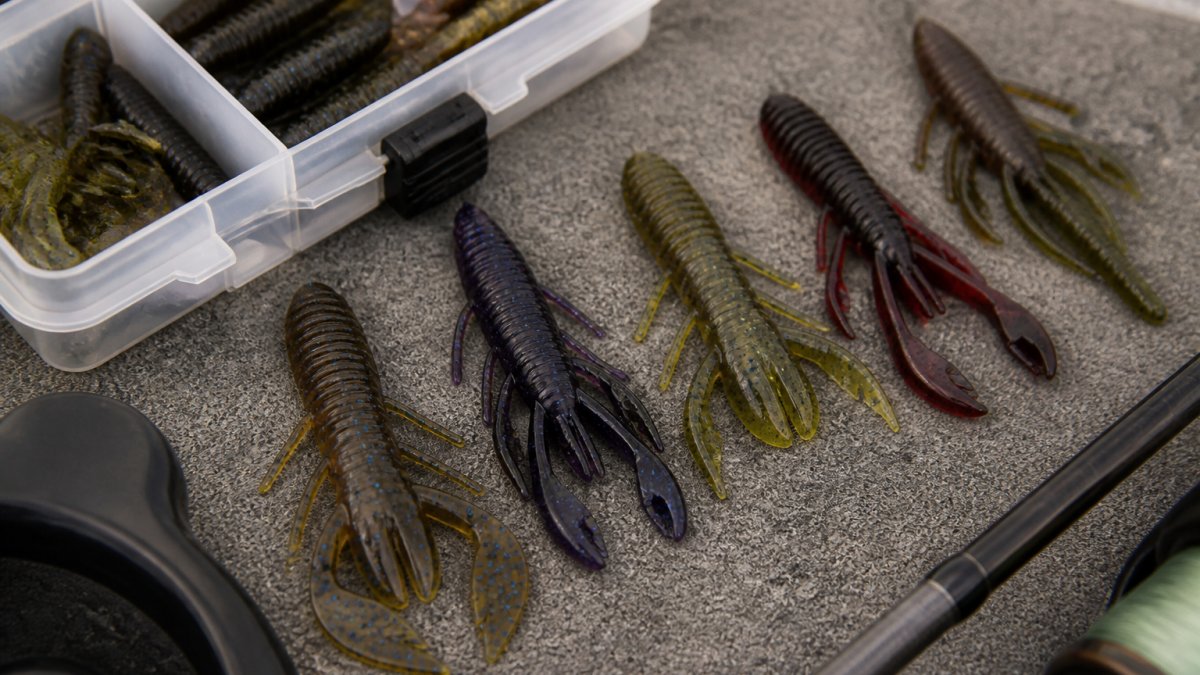
Crawfish imitations trigger feeding responses across seasons because bass eat crawdads year-round. But crawfish presentations deserve deeper analysis for snag resistance because their design and rigging choices directly affect how reliably they move through cover without fouling.
Why Crawfish Resist Snags
Crawfish designs reduce snag risk through three mechanisms: compact profile, natural bottom-hugging behavior, and appendage design. A crawfish's body is narrower than a creature bait and shorter than a stick worm, which means it displaces less vegetation as it moves through cover. More importantly, crawfish naturally stay low in the water column, bass expect them on the bottom or near structure, not suspended in vegetation. This behavioral match means you're fishing crawfish where they belong, in open pockets and around hard structure where snags are less likely.
The claws and legs on a crawfish design also matter. The segmented appendages create micro-vibrations that help bass locate the lure in low-visibility conditions. A slow, methodical crawfish presentation moves through cover with less friction than faster-moving baits.
Rigging Crawfish for Cover-Specific Snag Resistance
UntamedSportsman's crawfish lineup, Utility Craw, Finesse Craw, Spike Craw, and Natural Craw, each serves different cover and depth combinations, but rigging choice determines snag performance:
-
Texas Rig (Weed Guard): The Utility Craw on a Texas rig with a weed guard works in sparse vegetation and around dock pilings. The weed guard protects the hook point as the lure moves forward, but the crawfish's natural bottom-contact behavior means you're often dragging through open substrate rather than dense weeds. Snag rate is low.
-
Jig Head Rigging: Pairing a crawfish like the Spike Craw with a 1/4-ounce or 3/8-ounce jig head keeps the lure on bottom and reduces vertical snag risk. The jig head's compact design means fewer hang-ups on submerged timber, and the crawfish's natural profile makes the combination look like a feeding crayfish. This setup trades some snag resistance for superior hookup rates because the jig hook is fully exposed.
-
Drop Shot Rig: The Finesse Craw on a drop shot keeps the lure suspended above bottom structure, minimizing contact with snag-prone cover. This setup is ideal for rocky areas, channel ledges, and around pilings where you want the crawfish to hover rather than drag. Snag resistance is excellent because the lure rarely contacts cover.
-
Carolina Rig: A crawfish on a Carolina rig with a 18-24 inch leader lets the bait swim slightly above bottom while the sinker maintains contact with structure. This setup balances snag resistance and hookup rate, the leader length keeps the crawfish away from the sinker's snag-prone path. Use this in moderate-to-heavy cover with defined structure.
Cover-Specific Performance
Crawfish excel in three cover types where snag resistance matters:
-
Rocky Structure and Hard Bottom: Crawfish are most snag-resistant here because rock doesn't trap soft plastics the way vegetation does. A Texas-rigged Utility Craw or jig-head Spike Craw moves across rocks with minimal fouling. Hookup rates are high.
-
Dock Pilings and Timber: The Natural Craw's lifelike profile works around vertical structure where bass hunt for real crawdads. Rig it on a jig head or light Texas rig to keep it tight to pilings. Snag resistance depends on line strength and hookset timing.
-
Sparse Vegetation and Transition Zones: Crawfish are less effective in dense weeds but excel in areas where vegetation thins toward open water. A weedless Texas-rigged crawfish works these edges because you're not fighting through heavy cover.
Trade-Off: Snag Resistance vs. Hookup Rate
Crawfish present a clear trade-off: the more you protect the hook with a weed guard, the more force you need to set the hook. A fully exposed jig-head crawfish hooks fish at a higher rate but snags more frequently in vegetation. A heavily guarded Texas-rigged crawfish resists snags but requires aggressive hooksets. Choose your rigging based on cover density, heavy cover demands weed guards; moderate cover allows exposed hooks.
Weedless Bass Lures and Rigging Techniques
Weedless rigging is the foundation of snag-resistant bass fishing. A Texas rig with a weed guard lets you work dense vegetation that would otherwise be inaccessible. The weed guard pushes aside grass and weeds as the lure moves forward, keeping the hook point clear until a bass strikes.
The 4" Dessert Worm from UntamedSportsman is built for finesse presentations in heavy cover. Its slim profile slides through thick vegetation without fouling, and it works on Carolina rigs, Texas rigs, Neko rigs, Wacky rigs, or weedless setups. Twelve per pack means you have backups when you break one off.
Stick baits like the Switch and Jig Switch work differently. The Switch on a drop shot or shaky head stays relatively snag-free because you're working vertically rather than dragging through cover.
Best Bass Lures for Heavy Grass and Weeds: Setup and Tactics
Heavy grass and matted weeds are the ultimate snag-resistance test. The lures and rigs that work here define what "snag resistant" actually means. But success requires understanding how different lure types perform across grass density levels and how to adjust your setup based on water clarity and seasonal bass behavior.
Defining Snag Resistance in Grass: A Testing Framework
Snag resistance in vegetation is measurable. Consider three variables:
-
Grass Density: Sparse grass (scattered patches, <30% coverage) vs. moderate grass (50-70% coverage) vs. matted grass (>80% coverage, surface mats). Each density requires different lure types and rigging.
-
Grass Type: Emergent grass (above water), submerged grass (below surface), and matted surface vegetation behave differently. Emergent grass is easier to navigate; matted surface grass is the hardest.
-
Snag Rate: The number of hang-ups per 10 casts in a given cover type. A snag-resistant lure should produce <2 hang-ups per 10 casts in moderate grass and <4 per 10 casts in matted grass. Higher rates indicate poor snag resistance.
Lure Performance by Grass Density
Sparse to Moderate Grass (30-70% Coverage)
In this range, weedless soft plastics and jig-head presentations dominate. A Texas-rigged worm or creature bait on a 1/4-ounce jig head works because the weed guard pushes aside vegetation and the compact profile moves through grass without fouling.
The Dessert Worm from UntamedSportsman on a Texas rig works well here. Cast to the grass edge, let the sinker settle, and work the lure with a slow drag-and-shake retrieve. The slim profile slides through scattered vegetation without wrapping around grass blades. In water clarity of 2-4 feet, the worm's natural color and thin profile can be effective.
Creature baits like the Tramp Jr on a 3/8-ounce jig head also excel in moderate grass. The appendages create vibration that helps bass locate the lure in slightly stained water, and the compact size means fewer snags than larger baits.

Heavy Matted Grass (>80% Coverage)
Matted grass is where topwater frogs dominate. A floating frog like the Croaking Frog from UntamedSportsman produces near-zero snags because it never enters the vegetation mass. You're working on top of the mat, not through it.
Technique matters here. Cast the frog to the mat edge or into small openings, pause for 2-3 seconds, then twitch it with short 6-inch pulls. The pause allows bass to locate the lure; the twitch triggers strikes. Set the hook hard on every bite, a soft hookset will fail to penetrate the weed guard.
For submerged matted grass (grass below the surface but still dense), weedless soft plastics are your only option. A Texas-rigged creature bait or worm with a heavy weed guard reduces snags, but hookup rates may drop because the weed guard is thick enough to prevent hook penetration on light strikes. Use braid line and set the hook with authority.
Water Clarity and Seasonal Adjustments
Water clarity changes which lure colors and presentations work best:
-
Clear Water (3+ feet visibility): Use natural colors, green pumpkin, watermelon, brown. Bass rely on sight, so profile and detail matter more than vibration. Weedless soft plastics can be effective. Snag rates are slightly higher because you may need to fish slower to let bass inspect the lure, increasing vegetation contact time.
-
Stained Water (1-3 feet visibility): Use darker colors, black, dark green, dark brown. Creature baits and frogs with more vibration and profile work better because bass hunt by lateral-line detection. Snag rates are similar to clear water.
-
Murky Water (<1 foot visibility): Use bright colors, chartreuse, white, orange, and lures with maximum vibration. Creature baits with thick appendages and topwater frogs that create surface disturbance work best. Snag rates may increase slightly because you're fishing faster retrieves to trigger strikes.
Seasonal Bass Behavior in Grass
Bass behavior in grass changes throughout the year, affecting lure choice:
-
Spring (March-May): Bass move shallow into grass to spawn and feed. They're aggressive and willing to chase lures. Topwater frogs and creature baits work well because bass strike out of territorial instinct, not just hunger. Snag rates are low.
-
Summer (June-August): Bass retreat to deeper grass edges and shade. They're less aggressive and more selective. Weedless soft plastics and finesse presentations work better than large creature baits. Snag rates increase because you're fishing tighter to cover and working slower retrieves.
-
Fall (September-November): Bass move back shallow to feed before winter. They're aggressive again, similar to spring. Topwater frogs and larger creature baits produce strikes. Snag rates are low.
-
Winter (December-February): Bass are deep and inactive in grass. Finesse presentations like drop-shot rigs with small crawfish work best. Snag rates are very low because you're fishing open water or sparse cover.
Rigging for Maximum Snag Resistance in Grass
Hook size and weed guard thickness also affect snag resistance. A 3/0 or 4/0 hook with a moderate weed guard (not too thick, not too thin) balances snag avoidance and hookup rate. A 5/0 or 6/0 hook with a heavy weed guard resists snags but requires aggressive hooksets.
Texas Rig for Heavy Cover and Best Line for Fishing Heavy Cover
The Texas rig is the standard for snag-resistant bass fishing because it puts the hook point inside the lure body, protected by a weed guard. A cone sinker slides onto your line, then you tie to your hook, thread the soft plastic onto the hook point, and embed the hook back into the lure body.
For the best line for fishing heavy cover, braid is a good choice. It has zero stretch, which means you feel every snag and can often power out without breaking off. It cuts through weeds and vegetation better than mono or fluorocarbon. The only downside is visibility, bass can see braid in clear water, so many anglers use a fluorocarbon leader.
The Texas rig works with any soft plastic, but it's most effective with creature baits and worms. Cast to structure, let the sinker settle, then work the lure with a steady drag-and-shake retrieve. When you feel a bite, set the hook hard.
Finding the right snag resistant bass lures 2026 comes down to matching your lure to your cover type and rigging it correctly. UntamedSportsman's lineup covers every scenario, from topwater frogs for matted grass to creature baits for timber to crawfish presentations for structure.
Start with the Croaking Frog if you fish heavy vegetation, or the Tramp and Tramp Jr if you flip timber. Both deliver snag resistance and can be effective in tough cover. Shop our newest bait and build a heavy-cover arsenal that keeps you fishing where the biggest bass hide.
Frequently Asked Questions
What bass lures are least likely to snag in heavy cover?
Topwater frogs and weedless creature baits perform best in heavy cover because they float or have weed guards that protect the hook. Frogs like the Croaking Frog stay on top of lily pads and matted grass, avoiding underwater snags entirely. Creature baits such as the Tramp and Tramp Jr are compact and designed to punch through dense vegetation. Crawfish presentations with thick torsos, like the Spike Craw, also resist snagging because their body mass protects the hook point.
What is the best rig for fishing bass around brush and weeds, and how does a Texas rig for heavy cover work?
A Texas rig for heavy cover uses a bullet sinker, hook, and soft plastic bait rigged weedless, allowing you to drag through thick grass and brush without fouling. Thread the sinker on your line, tie a hook, then insert the hook point into the head of your soft plastic and hide it inside the bait body. Pair this with braided line or heavy fluorocarbon (15-20 pounds) and set the hook hard. The Dessert Worm and Switch baits work well on Texas rigs because they slide through cover without hanging up.
Are weedless bass lures effective for catching bass?
Yes, weedless bass lures are highly effective in heavy cover. They let you fish areas other anglers avoid because they can access dense weeds, brush, and timber without constant snagging. The trade-off is that some weedless designs reduce hook exposure slightly, so you may need to use a slightly stronger hook-set. However, the ability to fish where bass hide can be worthwhile. Topwater frogs and creature baits with weed guards deliver both snag resistance and solid hookup rates.
What line should you use when fishing bass in heavy cover?
Use braided line (30-50 pounds) or heavy fluorocarbon (15-20 pounds) when fishing heavy cover. Braided line has zero stretch, giving you the ability to pull free from snags without breaking. Fluorocarbon is less visible underwater and offers abrasion resistance against sharp weeds and branches. Avoid monofilament in heavy cover because it stretches too much, reducing your ability to set the hook and escape vegetation. Match your line choice to your rig: braided works best for flipping and punching, while fluorocarbon excels on drop-shot and finesse presentations.
How do you fish a frog through heavy cover?
Cast your frog (like the Croaking Frog) beyond the target area and walk it across the surface with short, steady twitches of your rod tip. Let it pause over openings in the grass or near lily pad edges. Keep your rod tip high to maintain contact and control. When a bass strikes, set the hook hard with a quick upward motion. The floating design keeps the frog on top where it stays snag-free, and the excellent kick triggers aggressive strikes from bass hunting near the surface at dawn and dusk.

Leave a comment
All comments are moderated before being published.
This site is protected by hCaptcha and the hCaptcha Privacy Policy and Terms of Service apply.